African Students in Moscow Focus on Practical Ties as Summit Opens
University attendees describe their link to Russia through education, healthcare, and specific economic needs rather than abstract geopolitical alliances.
By Bianca Ricci ·
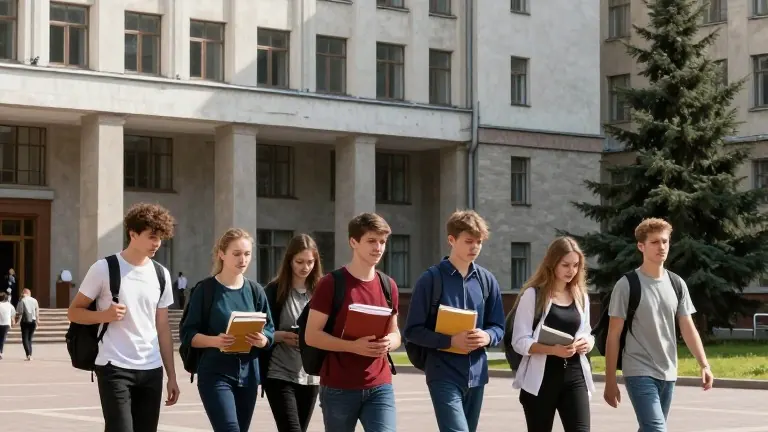
For African residents in Moscow, the upcoming Russia-Africa Summit represents a continuation of daily life rather than a new diplomatic shift. Students and staff at Patrice Lumumba Peoples' Friendship University, or RUDN, describe their connection to the host nation through concrete experiences like medical training, cultural exchange, and professional networking. The summit opens Wednesday in the Russian capital.
The focus for many is on specific gains in education and healthcare. Keturah Musonda, a Zambian medical graduate, credited a Russian government scholarship for her studies. She highlighted the accessibility of specialized medical equipment and pediatric care in Moscow. Musonda noted that ambulance services are readily available, a resource she said was rarely used in her home country.
Chinyama Kazombo, a Zambian medical student, views his time in Russia as a way to realize professional potential. Over five years, he has engaged with peers from Asia and Africa while promoting Zambian culture through dance and exhibitions. His goal is to return home as a qualified specialist to address local healthcare needs, though he expects to maintain professional ties with Russian colleagues for the rest of his career.
Economic pragmatism drives the perspectives of several academics. Abobakr Mohamed Abbakar Khussein, a Sudanese lecturer, observed that African governments seek partners who respect sovereignty. He pointed to Sudan’s 70-year history of cooperation with Russia, which includes archaeological work and specialist training. He also identified mining and nuclear cooperation with the state-owned Rosatom as areas with future potential, while warning that the war in Ukraine has disrupted grain and cooking-oil exports vital to African food security.
Agriculture presents another key area for collaboration. Aaron Kasonde, a Zambian assistant professor at RUDN, stated that Africa’s young population, with an average age of about 19, creates a demand for food production. He argued that Russia could support this through fertiliser exports, irrigation systems, and technology that increases crop yields. Kasonde emphasized that the primary question for African states is whether a partnership serves national interests and development goals.
Hafi Ahmed, a resident from Kenya, stressed the importance of cultural exchange alongside economic cooperation. She noted that Kenya possesses an educated workforce and skilled medical personnel that complement its natural resources. Ahmed believes these shared attributes facilitate stronger ties between the two nations.
The group does not advocate for Africa to choose one geopolitical side. Instead, they prioritize measurable outcomes such as modern healthcare infrastructure, food security, and job creation. Whether the partner is Russia, China, the United States, or Europe, the residents in Moscow judge the relationship by its ability to deliver these tangible benefits.
Source: Al Jazeera