Binance Hack Drains $6.3 Billion From Investor Accounts in 20 Minutes
North Korean unit TraderTraitor is suspected of the theft, which froze half the stolen assets and prompted promises of customer reimbursement.
By Bianca Ricci ·
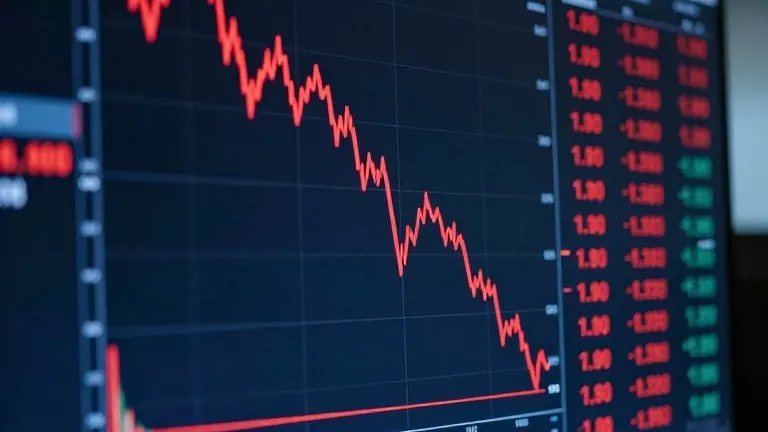
Investors who store digital assets on the world's largest cryptocurrency exchange lost billions of dollars this week. At 4:05 p.m. Eastern on Thursday, unauthorized users accessed trading accounts on Binance. Within approximately 20 minutes, the actors removed more than $6.3 billion in cryptocurrency.
The speed and scale of the operation align with methods used by a North Korean military unit known as TraderTraitor. Ari Redbord, global head of policy at crypto research firm TRM Labs, described the event as the largest bank robbery in human history. He noted that the stolen funds could be moved at internet speed, distinguishing this theft from physical bank robberies.
The incident follows a previous major breach involving the same group. In 2025, TraderTraitor stole $1.5 billion from crypto exchange Bybit. Redbord stated that North Korea maintains professional hacking teams within its military. He warned that proceeds from such heists often fund weapons proliferation and other destabilizing activities, rather than serving purely commercial interests.
Binance has worked with partners to freeze approximately $3 billion of the stolen cryptocurrencies. This action prevents the hackers from fully converting the digital assets. The exchange stated it will reimburse customers who lost funds, though it has not detailed the specific mechanism for these payments.
Critics argue that the current regulatory framework for cryptocurrency exchanges is weaker than that for traditional finance. Amanda Fischer, policy director at financial consumer advocacy group Better Markets, pointed out that stock investors keep funds with regulated brokers, not with the stock exchange itself. Those brokers are audited by the Securities and Exchange Commission and carry insurance to cover cyber attacks.
Fischer explained that crypto exchanges allow users to keep funds on the platform, creating a dual trust that makes them attractive targets. She warned that without strict regulations, exchanges may face incentives to dip into client funds during financial distress, a practice that contributed to the collapse of FTX in 2022. Under current rules, Binance is not necessarily legally bound to pay back lost customers.
Researchers have not yet determined if specific security flaws at Binance enabled the breach. The incident has intensified scrutiny on the safety of holding digital assets on centralized platforms. Smaller exchanges may lack the resources to reimburse investors after similar attacks, leaving traders to bear the financial loss.
Source: WVIZ
More Business · Consumer Watch · Report a business · Got a Story?