Democrats Sweep Congress, Flip Ohio and Michigan Key Races
Voters in the Great Lakes and Ohio Valley delivered a decisive mandate for change on Tuesday, handing Democrats control of both chambers and key state offices.
By Chloe Martin ·

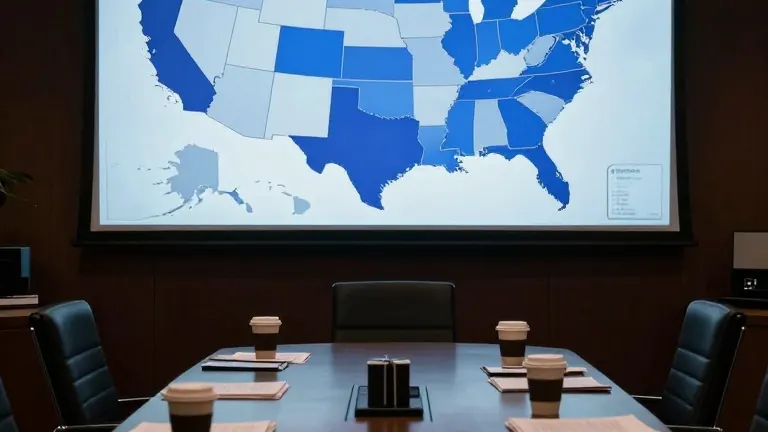
Democratic candidates secured control of the United States Senate and House of Representatives on Tuesday, marking a significant shift in national power. According to Ballotpedia, Democrats won 20 of the 35 contested Senate seats, gaining a net seven seats to take the majority from the Republicans. In the House, Democrats captured 233 of the 435 districts, a net gain of 30 seats that ends the Republican majority established in 2024. The results, compiled by the Associated Press and Ballotpedia, show a broad coalition of voters rejecting the party of President Donald Trump. This outcome sets the stage for a divided government beginning on January 3, 2027, with new leadership ready to challenge the executive branch.
For readers in Ohio, the election results brought immediate changes to the state's congressional delegation and executive office. Ballotpedia reports that Democrats gained control of the Ohio U.S. Senate special election seat, previously held by Republicans. In the regular Senate race, the state also flipped to Democratic control, contributing to the party's national majority. Additionally, Ohio's open governor's race resulted in a Democratic victory, ending a long period of Republican control of the statehouse. This trifecta of federal and state gains aligns with the national trend of Democratic surges in battleground regions.
Michigan voters also delivered significant wins for the Democratic Party on Tuesday. According to Reuters, Democrat Abdul El-Sayed won the state's open U.S. Senate seat, becoming the first Muslim elected to the chamber. This victory preserved a crucial Democratic seat in the party's fight for Senate control. Ballotpedia noted that Democrats also won full control of the Michigan state legislature, flipping both chambers and retaining the governor's office. This creates a trifecta that gives Democratic leaders in Lansing the power to shape state policy without Republican veto threats, a significant shift for the Great Lakes region.
In Kentucky, Republicans managed to hold onto a key Senate seat despite the national wave. Ballotpedia officially called the race for Andy Barr (R) on November 4, noting that Republicans held the seat. This result stands in contrast to the losses in neighboring states like Ohio and Michigan. Kentucky did not have a governor's race on the ballot in 2026, but the retention of the Senate seat ensures that the state maintains a Republican voice in the upper chamber of Congress. The Associated Press highlighted that while Democrats won in many Republican-leaning states, Kentucky remained a stronghold for the GOP in this cycle.
West Virginia voters kept their incumbent U.S. Senator, Shelley Moore Capito, in office on Tuesday. Ballotpedia confirmed that Capito won the Senate race, allowing the Republican Party to retain the seat. This win is notable given the sweeping Democratic gains in other parts of the country. The state also did not hold a gubernatorial election in 2026, meaning the executive power in the state remains unchanged. The retention of the Senate seat in West Virginia contributes to the Republican minority in the chamber, where they now hold 13 of the 35 seats decided in the election.
The Associated Press reported that voters across the Great Lakes and Ohio Valley were driven by concerns over the cost of living, inflation, and the war in Iran. The AP Voter Poll indicated that about 6 in 10 voters disapproved of how Trump was handling the presidency, a sentiment that was particularly strong in these midwestern states. In Ohio and Michigan, majorities of voters said their Republican Senate candidates were too supportive of the unpopular president. This perception helped fuel the Democratic surge, as candidates focused on kitchen table issues like gas prices and grocery costs rather than ideological debates.
Democrats in the new Congress have already outlined a 100-day agenda focused on lowering costs for consumers. House Democratic Leader Hakeem Jeffries, who is expected to become the next Speaker of the House, promised to work hard to deliver on the dramatic change requested by voters. The party plans to tackle high gas prices and reverse cuts to healthcare programs. In the Senate, Democrats will use their new majority to block Republican legislative efforts and push for oversight of the executive branch. This new dynamic will likely lead to increased tension between Congress and the White House in the coming months.
State governments in the region are also facing a new political reality. In Michigan, the Democratic trifecta allows for swift action on state priorities without the need for bipartisan compromise. In Ohio, the new Democratic governor will work with a state legislature that is more balanced, potentially leading to more negotiation on issues like tax rates and education funding. The Associated Press noted that Democrats will hold at least 28 governorships in 2027, with pickups in Ohio and other states long held by Republicans. This increase in Democratic executive power at the state level gives the party more leverage in national policy discussions.
The results also had implications for congressional redistricting. The Associated Press reported that Democrats will now have the power to redraw congressional maps in states where they hold full control. This could impact future House elections, as the party aims to create districts that favor their candidates. In states like Wisconsin and Michigan, Democrats successfully flipped legislative chambers, which gives them the authority to control the redistricting process. This move is seen as a strategic counter to the Republican redistricting efforts that took place earlier in the year.
President Trump acknowledged the results on Wednesday, stating that he would work with the new Democratic Congress. However, he also warned of gridlock and threatened to use his veto power to strike down their agenda. The Associated Press noted that Trump gave extended comments on Wednesday about the construction of a White House ballroom, focusing on the project rather than the election results. Vice President JD Vance blamed the war in Iran for the Republican losses, attempting to distance himself from the president's policies. These reactions signal a period of adjustment for the White House as it prepares to deal with a hostile Congress.