Ford shields driver data from brokers, aiming to outpace GM's costly privacy fix
The automaker will use anonymization and offer opt-out controls, aiming to distinguish itself from rivals facing scrutiny over telematics sales.
By Pablo Kuznetsov ·
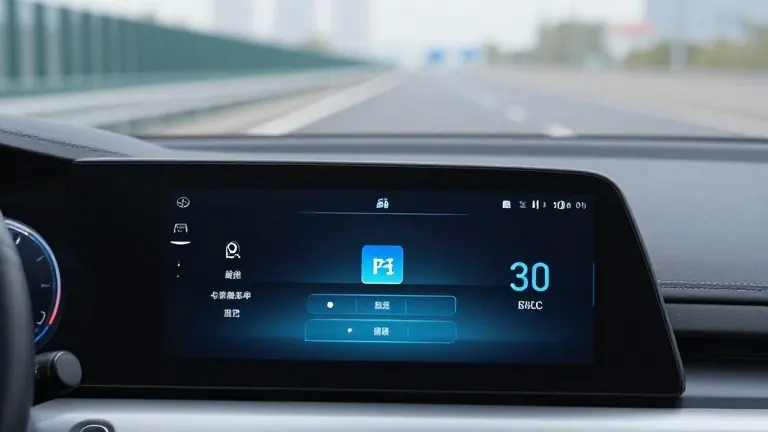
The automotive sector continues to grapple with consumer distrust regarding how vehicles collect and distribute personal information. Ford Motor Co. announced a new privacy commitment on Sunday that forbids the company from selling customer driving data to third-party data brokers.
The pledge aims to separate Ford from competitors who have faced legal and regulatory pressure for sharing telematics without clear authorization. The move follows a recent settlement by General Motors, which agreed to pay $220 million to resolve claims that it illegally sold driver and location information to data brokers.
Under the new GM agreement, the company must limit the amount of driving data it collects and secure express consent from drivers before gathering that information. Ford is adopting a similar strategy of transparency while explicitly ruling out the sale of data to outside brokers.
Kristin Jones, Ford's chief privacy officer, wrote in a blog post that the company intends to protect customer information through specific technical measures. Ford stated it will strive to aggregate and anonymize data to protect individual identities. The automaker also promised to provide clear, easy-to-understand information about how it uses personal data.
Customers will retain control over their data. Ford said it will allow drivers to adjust how much or how little data they share, even as the company uses the information to improve safety features. This approach contrasts with findings from a recent report by Mozilla, which labeled modern connected cars the worst category of products for privacy ever reviewed.
The nonprofit organization found that 92 percent of reviewed automakers provide drivers with little or no control over their personal data. Additionally, 84 percent of those manufacturers shared user data with outside parties. A separate examination of 21 vehicle brands revealed that every brand transmitted data to at least one third-party domain over Wi-Fi.
Over half of those vehicles contacted domains specializing in advertising, tracking, or analytics. Companies such as Adobe, LexisNexis, and Amplitude gather details about vehicle behavior to sell to insurance companies or target consumers with advertisements.
Ford conducted a survey of more than 1,000 U.S. customers, including both Ford and non-Ford owners, to gauge privacy concerns. Forty-one percent of respondents said they were extremely or very concerned about data privacy in the auto industry. This level of concern was lower than that reported for social media companies, the government, and financial institutions. However, over half of the respondents acknowledged that some data sharing is acceptable.
The company's pledge carries legal weight, though it is not a standalone contract. The Federal Trade Commission can intervene if a company makes deceptive claims to the public. If Ford breaks its promise not to sell data, the FTC and state attorneys general can sue the company. They can force Ford to sign legally binding agreements to correct the issue and impose substantial financial fines.
Ford's official privacy policy and connected vehicle terms contain the actual legal rules. These agreements include standard exceptions that allow the company to share data when complying with police requests or working with outside service providers. Opting out of data sharing also comes with tradeoffs. Turning off vehicle tracking or location sharing often disables key features such as built-in navigation, remote start, and wireless software updates.
Source: The Verge
More Business · Consumer Watch · Report a business · Got a Story?