Firefighters face billion-dollar bill for PFAS gear replacement
Municipal budgets strain as a class action lawsuit seeks to make manufacturers cover the cost of swapping out toxic protective equipment.
By Chloe Martin ·
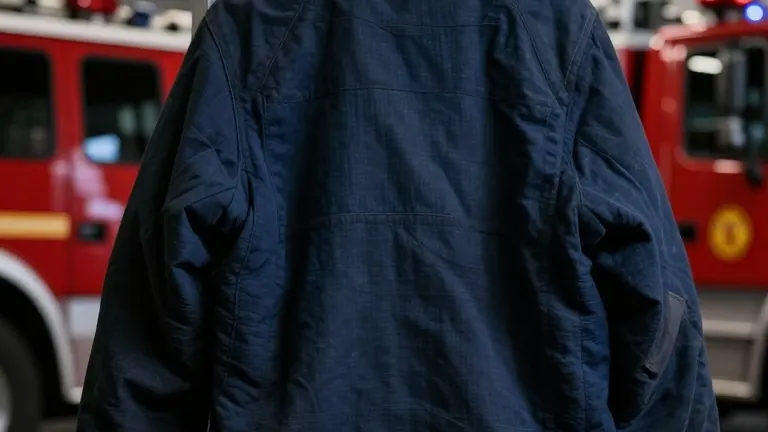
Five class action lawsuits filed by cities and towns have been consolidated into a single case in Minnesota, centering on the cost of replacing protective gear that may contain toxic chemicals. The legal battle arises as fire departments nationwide face the prospect of spending billions to swap out equipment.
The dispute over who pays for this transition is intensifying. A survey of fire departments across the country found that half of the responding chiefs have not yet switched to new gear. Their primary reason is that their towns and cities cannot afford the expense. Many leaders argue that local taxpayers should not bear the full cost of a problem created by manufacturers.
The financial burden falls heavily on municipalities. Chris Albani, a Connecticut firefighter and union representative, noted that a basic pants and jacket set costs up to $3,000. When helmets and gloves are added, the price per member rises to between $5,000 and $8,000. For a department with 200 personnel, the total cost becomes a major line item for local budgets.
Lawyers for the fire unions argue that the manufacturers should cover these costs. Jennifer Sclar, an attorney representing several unions and municipalities on the East Coast, stated that the defendants understood the dangers of PFAS long before recent public concerns emerged. She said the companies knew what the risks were and are now being sued for failing to disclose them.
Court documents suggest the manufacturers kept this information private for decades. Records from 3M and DuPont show they internally labeled PFAS as toxic in the 1960s and 1970s. By the 1980s, both companies were moving women of child-bearing age away from assignments involving the chemicals. In the 1990s, their own scientists were finding links between PFAS and cancer.
Ed Kelly, president of the International Association of Fire Fighters, said the goal is to make the manufacturers pay for the replacement gear. He expressed skepticism about the current suppliers, noting that independent testing is required to verify the safety of new equipment. This distrust is rooted in a recent incident in Quincy, Massachusetts, where the fire department paid millions for new gear in 2025. Tests later revealed high levels of PFAS in the supposedly clean equipment.
The manufacturer involved in the Quincy case said it eliminated PFAS from its textiles in the same year the city bought the gear. The company told investigators that the chemicals were not intentionally added during manufacturing. Despite this, Mayor Thomas Koch called the discovery outrageous at a press conference. The incident has made fire chiefs across the country more cautious about trusting existing suppliers.
Firefighters are changing their daily habits while waiting for a resolution. Albani said he tries not to touch his jackets and pants until it is necessary. He noted that cancer is the leading cause of line-of-duty deaths for firefighters. The uncertainty has shifted the mindset among responders, with many feeling that the question is no longer if they will develop cancer, but when.
Source: WQCW
More Business · Consumer Watch · Report a business · Got a Story?