Kenyan mining plans stir concerns over farmland and sacred forest
Communities around Mrima Hill are seeking clarity on a proposed mineral development that they fear could affect their farms, ancestral graves and environment.
By News Media House Staff ·
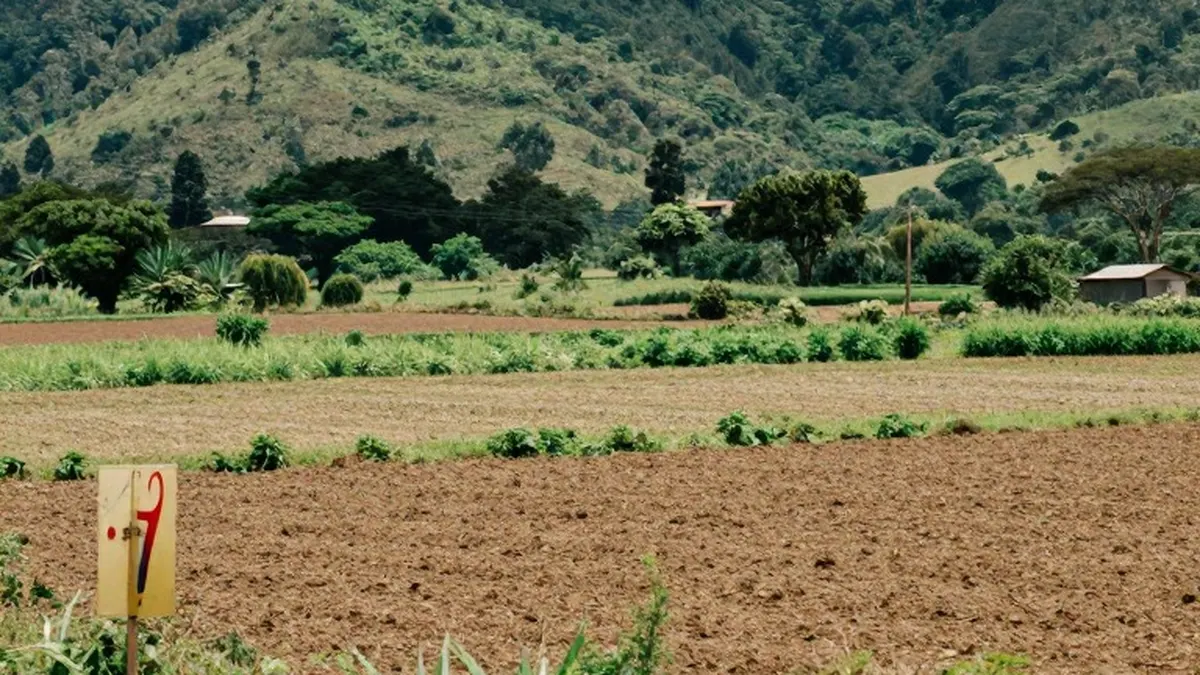
A proposed mining development at Mrima Hill in coastal Kenya has raised concerns among farmers and community elders about the future of productive farmland and a sacred forest containing ancestral graves. Residents near the Indian Ocean coast and Tanzania’s border say they lack information about where extraction would occur and how it could affect their livelihoods.
The forested hill holds niobium and rare earth elements. Interest in developing it comes amid international efforts to secure minerals used in electric vehicle motors, wind turbines and defense technologies, while seeking alternatives to China’s dominance in processing. Mining Minister Hassan Joho told The Associated Press earlier this week that a technical committee was assessing five proposals, with an announcement expected within two to three weeks.
The ministry has withheld bidders’ nationalities on confidentiality grounds. Australian company RareX said its consortium with fellow Australian company Iluka Resources submitted a technical and financial proposal on Oct. 21. Nasdaq-listed Critical Metals Corp. said in July that its consortium had reached the final bidding stage for the project.
Kenya sees mining and domestic mineral processing as sources of economic growth and employment. In a Sept. 28 interview with Semafor, Joho said the government wanted the sector’s share of gross domestic product to rise from about 1% to 10% within a decade. Extractives Daily reported that 2013 projections estimated potential gross revenue from Mrima Hill at roughly $62 billion over 23 years. That calculation used commodity prices from that period, excluded development and operating expenses, and did not specify Kenya’s share.
For the local Digo community, the hill also has cultural and spiritual importance. Its sacred forest, known as a kaya, holds ancestors’ graves, residents say. The Mrima Hill Sacred Grove forest reserve became a national monument in 1992. Masoud Suleiman Mwarizo, chairman of the Mrima Hill Digo Community Trust, said community traditions center on the forest and opposed digging there. The trust was established in 2025 to represent community interests in the project.
Justus Mwero, who chairs the Mrima Farm Owners Community-Based Organization, representing about 500 registered farmers, said residents had not been informed about the process or its consequences. Farmers worry that any relocation could place them on less fertile land, although whether anyone would need to move remains unclear. Trust treasurer Rama Bindo said farmers without title deeds were especially exposed to land grabbing.
Joho said the ministry consulted the community before advertising the tender and would introduce the selected company to residents so agreements could be reached. Kenya’s Mining Act requires licence holders to conclude a community development agreement and compensate landowners before mining starts. Mining Ministry Principal Secretary Harry Kimtai said officials would explain residents’ rights if disputes arose and monitor legal compliance.
The Centre for Litigation Trust has challenged a proposed Kenya-U.S. agreement concerning Mrima Hill’s minerals, whose details remain undisclosed. In a June 22 petition, the group sought its suspension pending consultation and alleged insufficient transparency and public participation. According to the group, a ruling on the attorney general’s jurisdictional objection is scheduled for Nov. 6, and no court order currently blocks implementation. The government has not publicly clarified the agreement’s relationship to the tender.
Fakii Omar of the Kwale Mining Alliance said residents also lacked information about extraction methods and possible environmental and health effects. The National Environment Management Authority did not answer AP questions about assessments, consultation and approvals. The National Museums of Kenya also did not respond to a request for comment.
RareX said its consortium proposed obtaining community support before mining and safeguarding residents, cultural heritage and the environment. It also proposed further research into whether underground mining would be viable. Mwero called for an open forum where residents could discuss their concerns and negotiate over the land.
Originally published by News Media House · Source: ABC News
More News · National news · Report a business · Got a Story?