Netanyahu Lawyer Questions Scope of Mandelblit's Probe Authorizations in Court
Former attorney-general testified Monday that investigators did not need to return to him for approval of every step.
By Bianca Ricci ·
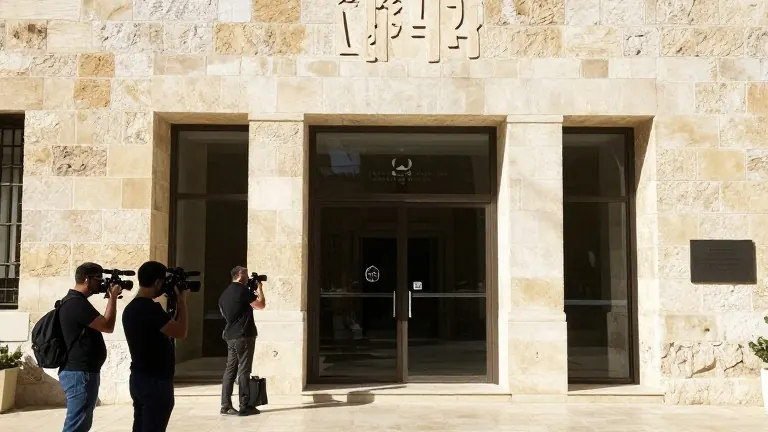
Former attorney-general Avichai Mandelblit faced defense questioning Monday over how much latitude he gave police while investigating Prime Minister Benjamin Netanyahu, resuming testimony at the Jerusalem District Court. Netanyahu's lawyer, Amit Hadad, pressed him on which investigative steps required his sign-off and which fell under standing permission.
Mandelblit told the court he had authorized the investigations and later approved the indictment. He testified for the defense. Hadad asked what he permitted police to examine and whether certain steps needed his further approval.
The questioning touched on a prior episode involving Netanyahu confidant Natan Eshel. Mandelblit said Sunday he ordered police to stop wiretapping Eshel after learning of the operation. Investigators had obtained a court warrant, but Mandelblit said the sensitivity of listening to someone close to the prime minister's personal and political affairs meant they had to seek his approval first.
The hearing then moved to the preliminary examination that became Case 1000, which concerns gifts Netanyahu allegedly received from businessmen Arnon Milchan and James Packer, and actions he allegedly took to benefit Milchan. Hadad challenged whether investigators expanded their inquiries beyond what Mandelblit authorized when they questioned Milchan's assistant, Hadas Klein, and Packer's driver, Yonatan Hasson, about gifts.
Mandelblit said their questioning fell within his broader permission to examine suspicions that Netanyahu received substantial benefits from businessmen. That permission remained in place, he said, so investigators did not need to return to him for approval of every individual action. Judge Moshe Bar-Am asked how investigators were meant to distinguish between steps covered by that authorization and those requiring further consent. Mandelblit said the subject he had approved set the boundaries, while developments required further consultation.
Netanyahu's trial began in May 2020 and covers three cases involving alleged gifts and dealings with media owners. He faces fraud and breach-of-trust charges in all three and a bribery charge in Case 4000, which concerns alleged regulatory benefits for Bezeq in exchange for intervention in Walla's news coverage. He denies wrongdoing.
Source: The Jerusalem Post