
Warhound Secures $200 Million to Engineer Military Dogs
A new startup backed by major tech and intelligence investors aims to use gene editing to create healthier, more capable working dogs for the U.S. military and police.
By Pablo Kuznetsov ·
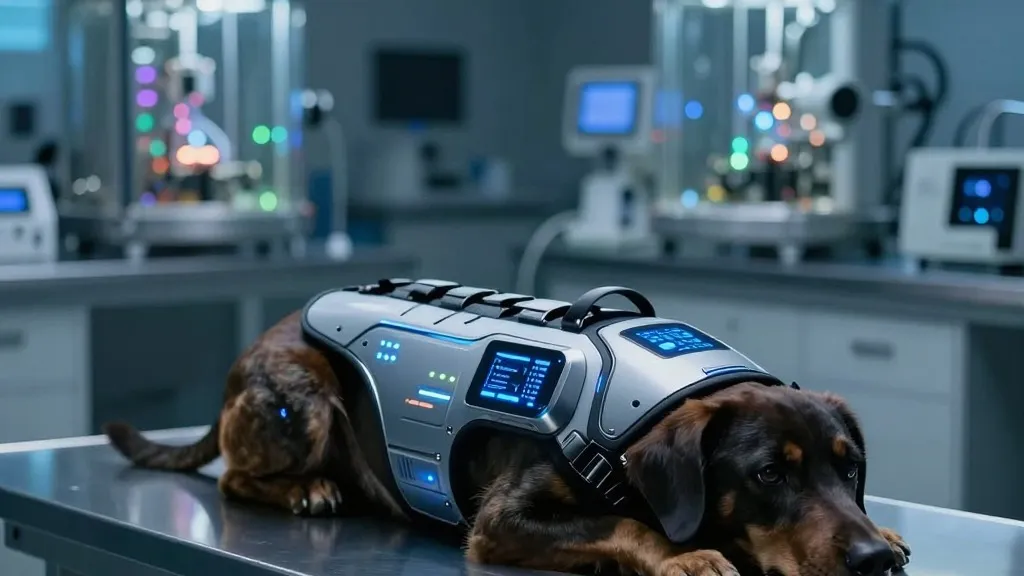
For the first time, the U.S. military may rely on genetically engineered dogs rather than just imported ones. A new company called Warhound has emerged from stealth mode with a $200 million funding round. This capital comes from investors including Sequoia, 8VC, Corner Ventures, and In-Q-Tel, a venture firm backed by the CIA and other intelligence agencies. The funding values the startup at $1.2 billion.
Warhound is a collaboration between Ben Lamm of Colossal Biosciences and Palmer Luckey of Anduril. Lamm met Luckey about a year ago at a conference where they discussed the state of working dogs. Lamm researched the field and found that many dogs fail training due to inherited health issues like poor eyesight, cancer, hip dysplasia, or muscle atrophy. He believes genetic editing can fix these problems. The team has taken cell lines from top-performing breeds, specifically Belgian Malinois and German Shepherds, and stored them in a biobank.
The plan is to edit these genes to add traits that improve performance and remove those that cause health problems. The goal is to create a new type of dog that is healthier, longer-lived, and faster. These dogs are intended for dangerous tasks that are hard for humans or machines, such as bomb detection and searches. The company notes that over 80% of the U.S. military's working dogs currently come from Europe, and less than half are fit for service.
Anduril will provide the hardware and software to support these animals. This includes protective gear like vests and goggles that help with situational awareness. Lamm described bulletproof vests with data sensors that send information to handlers. He emphasized that Anduril’s technology works on top of the dog, not inside it, to make the animals safer and more effective. Lamm stated that if the dog is safer and healthier, it will perform better in duty, which also protects the human handlers.
Colossal Biosciences, known for its de-extinction work on animals like the mammoth, owns equity in Warhound and licenses its gene-editing technology. Luckey is a partner but does not own equity. The first batch of dogs is set to be cloned and incubated soon. Births are expected early next year, with service beginning within two years. Viagen, another Colossal-owned company, will handle the cloning using its high-success-rate technology.
Warhound has not yet set prices but expects to sell to first responders, the Department of Defense, military branches, and police forces. Lamm said the company has briefed many government groups. To address safety concerns, the company is working with the American Humane Society to certify its training program. The Society said it is pleased to be involved and looks forward to ensuring the animals are treated humanely. Retired dogs may enter the Society’s reunification program to find new homes.
The company aims to reduce the U.S. reliance on foreign dog suppliers. By engineering dogs with specific characteristics suited to demanding missions, Warhound hopes to modernize a critical part of emergency response. The project combines advanced biology with tactical technology to create a more robust workforce for national defense and public safety.
Source: TechCrunch · original report published