After Midterm Rout, Trump's Allies Blame the Iran War and Edge Away From It
Republican leaders including Vice President JD Vance and Senator Ted Cruz are blaming the party's midterm losses on the Iran war, even as US strikes continue and diplomacy drags on.
By News Media House Staff ·
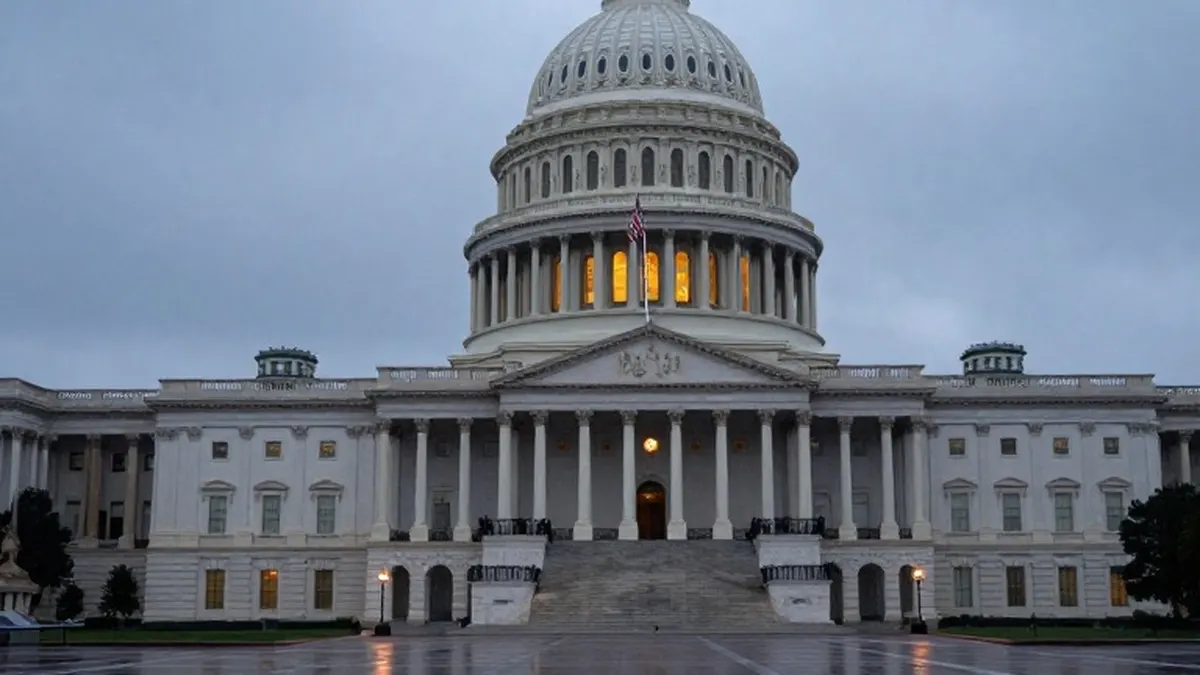
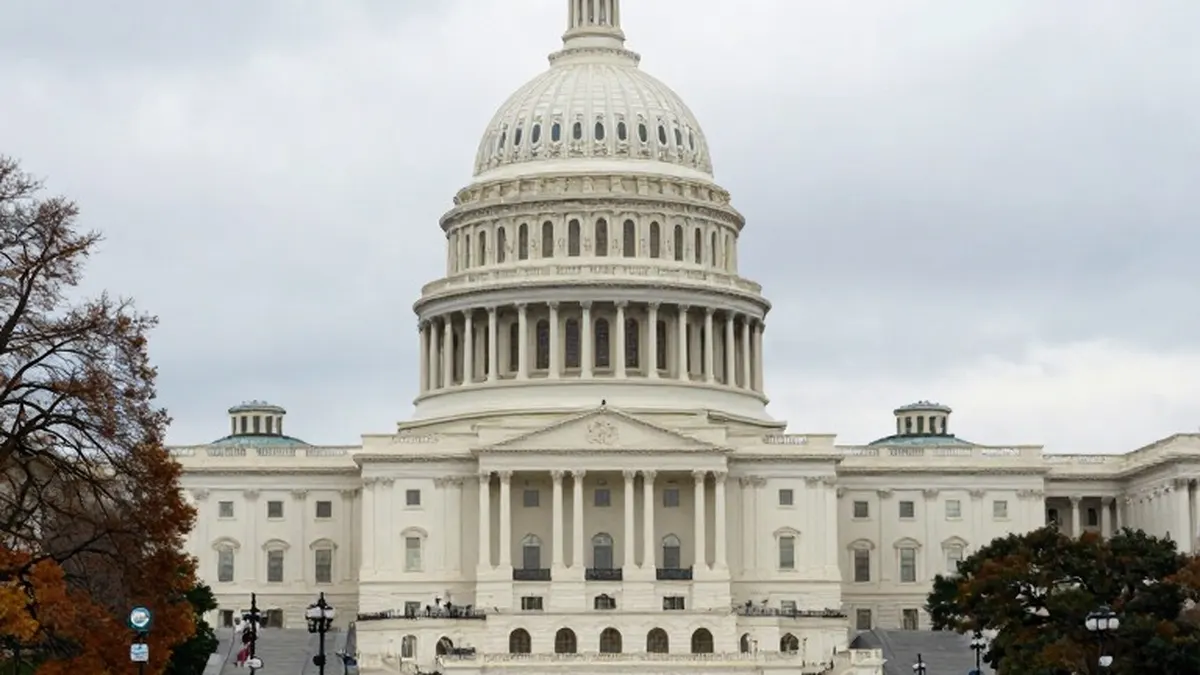
Vice President JD Vance has pinned the Republican Party's sweeping defeat in Tuesday's midterm elections, which handed Democrats control of both chambers of the United States Congress, squarely on the war on Iran. "The reason we lost is the war. The president himself said so last night," he wrote in a lengthy post on X on Wednesday.
Vance, widely seen as a likely 2028 presidential contender and heir to Trump's Make America Great Again movement, questioned whether the conflict had been worth its political price. "If you'd like to argue it was worth it, that losing the Senate for the next 6 years was worth it, then do so," he wrote. Citing an unnamed pollster, he said ending the Iran war and "changing our relationship with Israel" were among the top four answers given ahead of the midterms by Americans who backed Trump in 2024 but planned to vote Democratic this year.
Senator Ted Cruz, a longtime Iran hawk, also turned against the conflict, saying on his podcast on Wednesday that it "should have been brief, decisive, and over". In a post on X, he added that the war had "dragged on too long" and that Washington "should never, under any circumstances, give the Ayatollah billions of dollars". That appeared to reference the June memorandum of understanding between Washington and Tehran, which floated a $300bn fund to rebuild post-war Iran as part of wider peace talks. The proposal drew heavy conservative pushback, and the June agreement, which had provided for a ceasefire, quickly collapsed.
President Donald Trump, who launched the war alongside Israel in February, told The Wall Street Journal this week that he has no regrets. "I did the right thing. I would have done it again," he said. At the White House on Wednesday, he called Vance's assessment "largely true" and blamed war-driven fuel prices for the electoral backlash, while insisting the campaign was necessary to stop Iran from obtaining a nuclear weapon.
Analysts say the recriminations are about the future of the Republican Party. With Trump barred from running again in 2028 after serving two terms, would-be successors are repositioning. Paul Musgrave, associate professor of government at Georgetown University in Qatar, told Al Jazeera there are "major internal divisions within the Republican Party" over the war. The US decision to attack Iran triggered a global fuel crisis through the closure of the Strait of Hormuz, and the conflict has cost American taxpayers an estimated $47bn so far, making it a liability for any future candidate.
Musgrave said hawks such as Cruz and the late Senator Lindsey Graham had long pushed for a war on Iran, and now that they have one, "it has been a disaster internationally and domestically for them", though "they can't walk away" and can only criticize its length and execution. Vance, by contrast, "is trying to represent a more isolationist wing of the Republican Party, and is willing to walk away from the war and probably other commitments to win favour with a large part of the Trump base", he said. Former Republican congressional staffer John Feehery told Al Jazeera the war "was a big part" of the defeat alongside energy prices, healthcare and corruption, and said the race to succeed Trump, featuring Vance and Florida Governor Ron DeSantis, has already begun.
Democrats, set to control Congress, are weighing how to press their advantage. Senate Democratic Leader Chuck Schumer said on Wednesday that "this war must end", invoking Congress's control of funding. Congressman Ro Khanna proposed a continuing resolution "prohibiting the financing of any combat activities of the US military in Iran", aiming to end the war "like we did for Vietnam". Musgrave said appropriations would be "a principal lever", while hearings and investigations could pressure key figures. Secretary of Defense Pete Hegseth faces particular scrutiny: outgoing Republican Senator Thom Tillis told CBS News he would face a "reckoning", and Democratic Representative Jason Crow called him "incompetent and corrupt". Musgrave warned the larger battle may come over the administration's refusal to obey congressional spending limits.
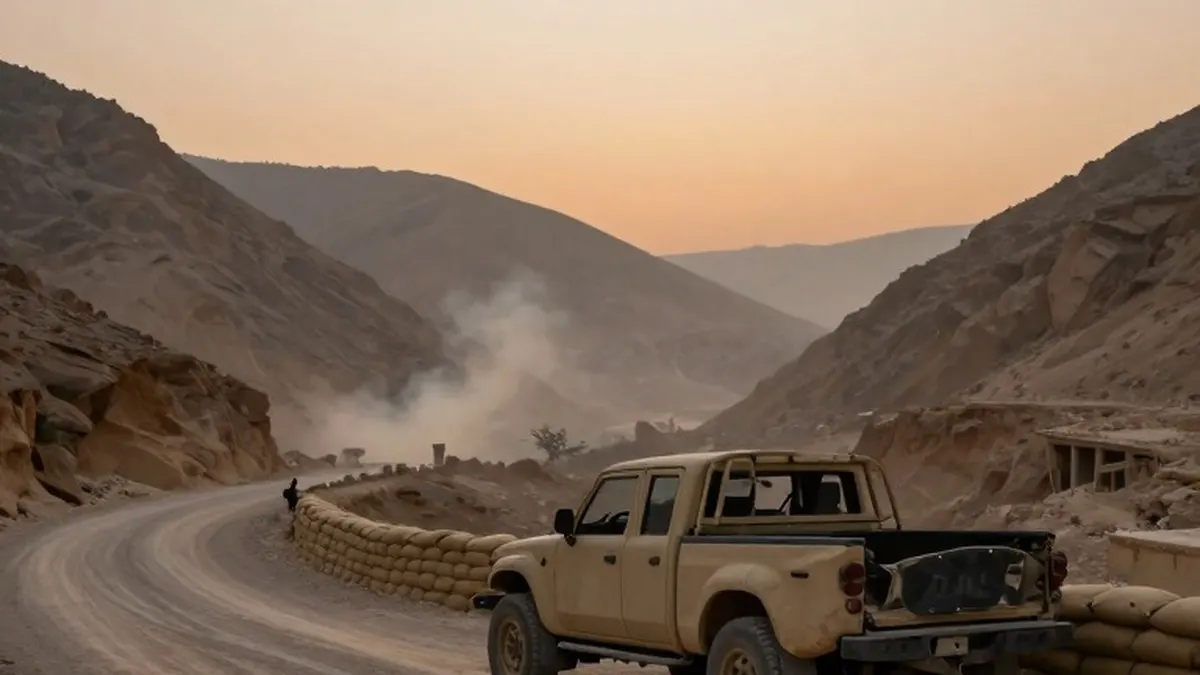
Yet the military campaign continues in parallel with diplomacy. On election day, US forces struck Iran's Qeshm Island in the Strait of Hormuz, the first attack there since June, in what officials called "defensive" strikes. US media, citing officials, reported that Central Command had prepared for strikes that could begin as early as Wednesday, when three US aircraft carriers would be in the region.
Giorgio Cafiero, CEO of Gulf State Analytics, told Al Jazeera that with the midterms behind him, "Trump may conclude that he has nothing to lose and choose to significantly escalate this crisis", noting that Democrats "won't even take power until January 2027" and that Trump may see the coming months as a window to act aggressively toward Tehran, which has promised to respond to any attacks.
Qatar-led mediated talks are ongoing. Majed al-Ansari, a spokesperson for Qatar's Ministry of Foreign Affairs, said Washington and Tehran "remain committed to the negotiation process", though Iran called the latest US response to its conditions for reopening the Strait of Hormuz "unconvincing". Cafiero cautioned that "Israel will do all it can to play spoiler to any diplomatic arrangement that Qatar may ultimately help facilitate". Trump told The Financial Times on election night that he had no immediate plans to order new attacks.
Originally published by News Media House · Source: Al Jazeera