Trump's Approval at 37% as Midterms Test GOP Hold on House
Polls show the president's support has dropped below a historic threshold, prompting a strategic push to protect Senate seats in Iowa and Kansas.
By Chloe Martin ·
President Donald Trump's average approval rating stands at 37 percent, a level that has historically signaled severe electoral losses for the party in power during midterm cycles. This figure represents a sharp decline from the 52 percent average recorded in early 2025. The drop places the White House in a precarious position ahead of Tuesday's elections, where the pendulum is expected to swing against the incumbent party as it has done for nearly a century.
The political climate has shifted markedly since the 2024 campaign. In that election, Trump secured victory and his party maintained control of the White House. However, the current landscape differs. Polling data indicates that Republicans face potential losses not only in the blue states they lost in previous campaigns but also in swing states and red states where Trump previously won by double-digit margins. This broad vulnerability has driven the current campaign strategy.
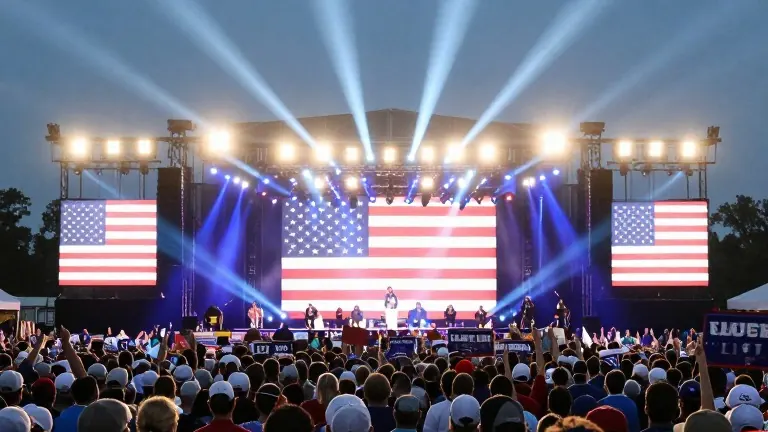
To address these vulnerabilities, Trump spent the final weekend of the campaign traveling to Iowa and Kansas. These visits were scheduled to support Senate candidates in states critical to maintaining a Republican majority. Kansas has not elected a Democrat to the Senate since 1932, while Trump previously won 31 Iowa counties that had voted for Barack Obama in 2008 and 2012. The itinerary was briefly cancelled late in the week but reinstated before the weekend began.
During this time, Trump conducted remote rallies in 19 other states. The physical presence in the Midwest suggests a focus on limiting damage in a difficult environment. Most observers predict the Republican Party will lose its slim majority in the House. The Senate race remains too close to call, with the possibility that the party could retain control through Vice President Vance's tie-breaking vote.
The decline in approval ratings correlates with specific policy disappointments. Voters have expressed frustration over inflation and the rising cost of gas. Critics have also pointed to unfulfilled foreign policy promises, including peace in Ukraine and new arrangements for Israel and the Palestinians. These issues have fueled a grassroots movement using the slogan "No Kings" at anti-Trump rallies.
The Democratic Party faces its own internal challenges. If they secure a House majority, it will be modest by historical standards. A narrow Senate win would likely empower maverick members over party leadership. The party must also manage divisions between centrist consensus builders and left-wing firebrands, a tension highlighted by the prominence of candidates associated with the Democratic Socialists of America in recent ads.
Political demographer Ruy Teixeira has outlined questions for Democrats regarding their approach to working-class voters. He argues the party must prioritize the economic interests of white, non-college educated voters over recent focuses on race, gender, and social policy. This demographic has been a growing source of anxiety for party strategists as they prepare for potential power in 2027.
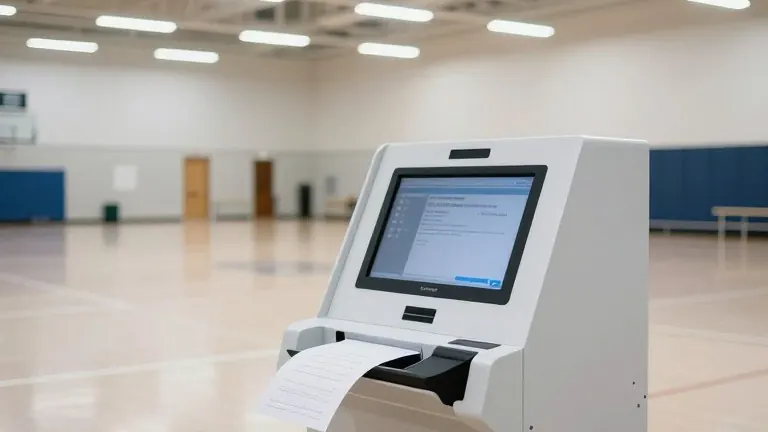
Beyond partisan battles, the election will test public confidence in the voting system itself. Nonpartisan experts generally defend the current infrastructure, which has improved since the Help America Vote Act replaced punch-card ballots with touch-screen technology. However, the president has repeatedly questioned the integrity of polling and reporting. This skepticism may lead to heightened tension in the days following the vote, as results are tallied and verified.
Source: WVXU