Gundlach Says Fed Is Falling Behind as Oil Holds Above $100
DoubleLine's founder argues the central bank should hike in December after leaving rates unchanged at its October meeting.
By Pablo Kuznetsov ·
DoubleLine founder Jeff Gundlach said Wednesday he cannot see why the Federal Reserve held interest rates steady at its October meeting while inflation climbs and oil trades above $100 a barrel. "What are you waiting for? You just upgraded the economy right here," Gundlach said on CNBC's "Closing Bell."
His remarks came after Federal Reserve Chairman Kevin Warsh told reporters the macroeconomic environment is strong. Gundlach said he expects headline CPI to reach a 4% handle and noted the commodity index is rising in a bull market. "I don't understand why the Fed is so reluctant to move," he said.
The central bank left rates unchanged after raising them 25 basis points in September. Gundlach said then that a 50 basis point increase would have been better than a gradual approach spread over several meetings. The Fed's overnight rate now sits at 3.75% to 4%, while the 2-year Treasury note trades around 4.7%. "I just think that the Fed is a little bit behind the curve right now," he said.
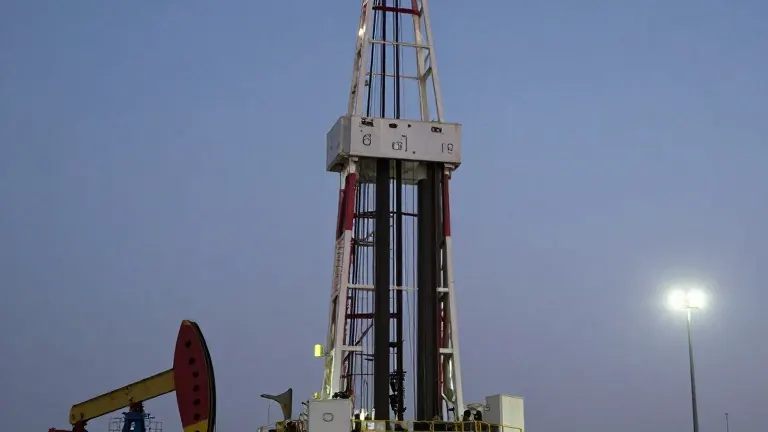
CME's FedWatch tool puts the odds of a 25 basis point increase at December's meeting at 85%. The Fed's statement said it will use further information to set policy that returns inflation to its 2% goal, and Warsh said future decisions cannot be determined at this time. "Absent a crack in the oil price, I think they have to hike in December," Gundlach said. U.S. oil prices held above $100 per barrel on Wednesday.
Gundlach said his allocation has not changed: 30% equities, 30% bonds, 20% commodities and 20% in "dry powder." Within equities he favors the equal-weight S&P 500 to limit exposure to what he calls potential artificial intelligence "problems." He also said he favors reducing the number of rate-setting meetings from eight to six, starting immediately. "I don't think eight meetings is really necessary," Gundlach said. "It seems like they come up really quickly . at least you have a couple months worth of data to filter in."
Source: CNBC
More Business · National news · Consumer Watch · Report a business · Got a Story?