Israeli opposition blames Netanyahu for US election losses
Rival politicians argue that Prime Minister Benjamin Netanyahu's alignment with Republicans eroded American support, promising to restore bipartisan ties if they form the next government.
By News Media House Staff ·

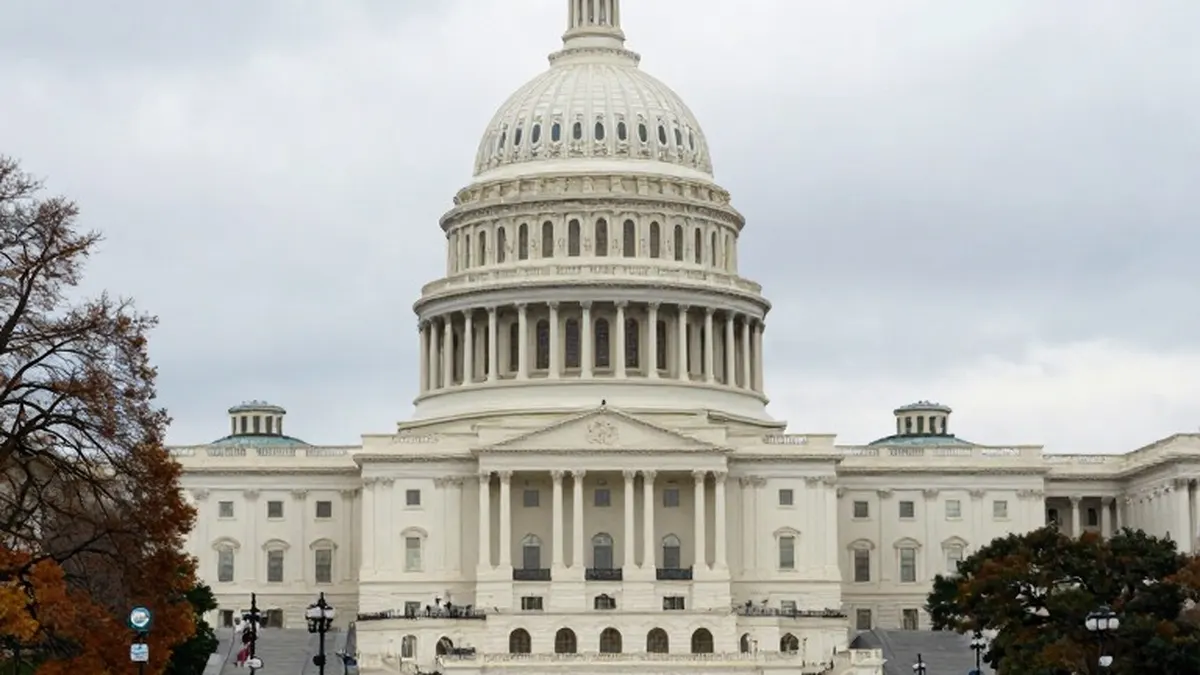
Israeli opposition leaders have attributed the recent election victories of the Democratic Party in the United States to Prime Minister Benjamin Netanyahu. They argue that his political stance has weakened support for Israel in Washington, and they have pledged to strengthen bipartisan relations if their coalition forms the next government. These remarks were made on Wednesday, following Tuesday's results in which Democrats secured majorities in both the Senate and the House of Representatives.
The shift in the US Congress represents a significant challenge for President Donald Trump. The outcome was driven in part by widespread frustration over the war between the United States and Israel against Iran. This congressional election took place just one week after Israel held its own general election. In that contest, Netanyahu's right-wing coalition lost its parliamentary majority but performed sufficiently to prevent his main rival, Gadi Eisenkot, from securing a clear path to replace him.
Yair Lapid, a former prime minister whose party is part of the coalition seeking to unseat Netanyahu, stated that the US results demonstrated that Israel could not afford to keep Netanyahu in office. He warned that the situation endangers national security, jeopardizes democracy, and will damage Israel's standing on the global stage. For decades, the US has been Israel's most steadfast ally, providing billions of dollars in annual military aid since the 1970s under presidents of both major parties.
Lapid noted that unlike previous Israeli leaders who courted both Democrats and Republicans, Netanyahu has openly aligned himself with the Republican Party. Some Democratic candidates campaigned on themes criticizing military aid to Israel amid its war on Gaza. On Tuesday, President Trump, who had endorsed Netanyahu in the Israeli election, pledged to halt four billion dollars in annual funding to Israel. He described the move as a way to remove a negative talking point for Democrats.
Lapid argued that Israel must return to the bipartisan rule that served the country well for seventy years. He pointed to 2015, when Netanyahu addressed Congress against then-President Barack Obama's nuclear deal with Iran, as the moment that tradition broke. Lapid emphasized that Israel does not choose sides in American politics and works with everyone. He acknowledged that an anti-Israel core in Congress has grown but noted it remains less than ten percent of the Senate.
Lapid highlighted that Democratic leaders Chuck Schumer and Hakeem Jeffries, who will lead the Senate and House respectively, are personal friends who voted with Israel this year even when their party caucuses did not. Gadi Eisenkot also pledged to restore bipartisan ties with Washington under his potential leadership. He stated that Israel would renew and deepen its partnership with the US, aiming for a Middle East defined by cooperation and opportunity rather than just the absence of conflict.
Yair Golan, whose party is also part of the anti-Netanyahu coalition, described Netanyahu as having become toxic among both American parties. He warned that if Netanyahu and his far-right government remain in power, Israel could face a path toward international sanctions, global isolation, and confrontation with the United States. Netanyahu did not immediately respond to the criticism from his opposition.
The American Israel Public Affairs Committee, a leading pro-Israel lobbying group, echoed Lapid's sentiments. The organization congratulated hundreds of pro-Israel Democrats and Republicans who won their elections, noting that 234 candidates it had backed were successful. It specifically mentioned Schumer and Jeffries and pledged to increase support for lawmakers who recognize that a strong partnership with Israel helps keep both nations secure.
Originally published by News Media House · Source: Al Jazeera