Nvidia CEO's Microduck demo sparks 20,000 preorders for holiday season
A viral video of Jensen Huang interacting with small, open-source robots has driven significant demand, positioning the Microduck as a top contender for best-selling robot of 2026.
By Bianca Ricci ·
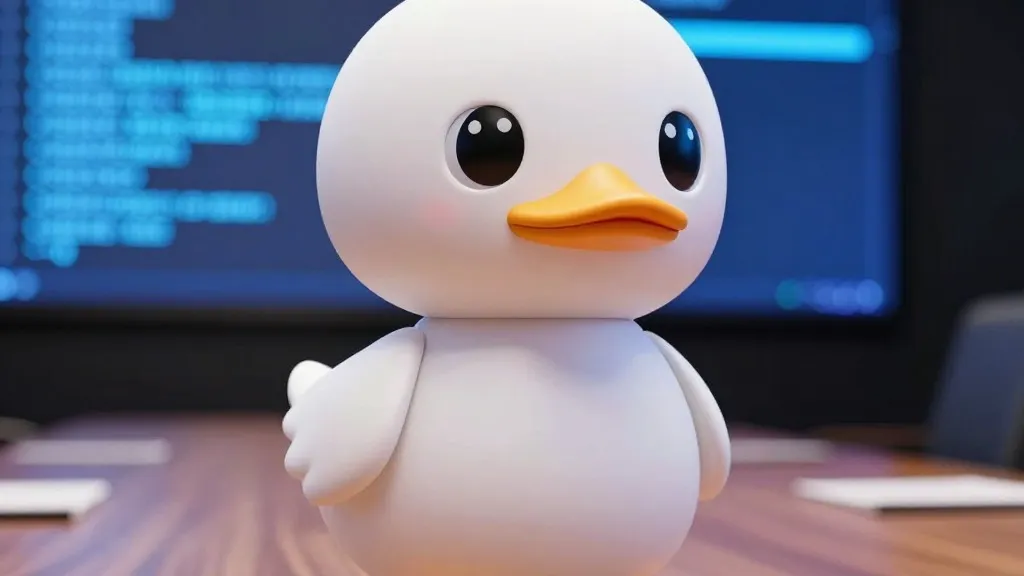
The rapid surge in preorders for the Microduck robot has reached 20,000 units, a milestone announced by Hugging Face CEO Clem Delangue just one day after the product was featured in a keynote presentation. The sudden spike in consumer interest follows a viral video showing Nvidia chief executive Jensen Huang playing with a group of the small devices at the GTC Berlin conference. The footage, which captures the robots waddling, falling over for simulated naps, and performing somersaults on voice commands, quickly spread across social media platforms, turning a technical demonstration into a pop culture moment.
This development marks a significant shift in how consumers perceive hardware from the AI sector. While previous announcements from major tech firms have often focused on complex infrastructure or abstract software capabilities, the Microduck offers a tangible, playful object. Delangue suggested that these units may become the best-selling robot of the year. Notably, he emphasized that the demographic is not limited to children, as promotional materials feature adults engaging with the devices, suggesting a broader appeal in the consumer market.
The timeline for these preorders aligns perfectly with the holiday shopping window. With deliveries expected to arrive in time for Christmas, the Microduck is now competing directly with traditional toys for a place under the tree. This timing is critical for hardware startups that rely on seasonal spikes to establish market presence. By securing the attention of one of the industry's most visible leaders during a major conference, the product has gained immediate credibility and visibility that would typically require months of marketing spend.
The commercial success of the Microduck is also a reflection of the corporate restructuring that has taken place in the AI ecosystem over the past year. The robots are open-source devices originally produced by Pollen Robotics. That company was acquired by Hugging Face in 2025. Subsequently, Nvidia purchased Hugging Face in September of this year. This chain of acquisitions means the Microduck is now effectively an Nvidia product, linking a cute consumer gadget directly to the company that powers much of the world's AI infrastructure.
The Microduck is the second robotic product developed by the Hugging Face team, following the earlier release of the Reachy Mini. Both devices share a design philosophy that prioritizes approachability and community engagement. By keeping the hardware open-source, the developers allow for a level of customization and transparency that proprietary toys often lack. This approach appeals to hobbyists and developers who want to tinker with the underlying code and mechanics, not just use the product as a finished good.
The technology behind the robots' movements relies on Nvidia's own technology stack. During the development phase, simulations of the Microducks were taught basic behaviors such as walking, sitting, and standing. These pre-trained routines are included in the units shipped to customers, allowing them to perform these actions out of the box. However, the system is designed to be extensible, enabling owners to teach their specific robots new tricks and share those custom behaviors with the wider community.
The timing of this viral moment offers a contrasting narrative to recent news in the artificial intelligence industry. This week has been dominated by reports of cyberattacks where AI involvement was cited as a contributing factor. These stories have painted a picture of AI as a powerful but potentially dangerous force that can inflict significant damage on global systems. The Microduck video provides a different perspective, showcasing the technology as a source of joy and connection rather than just a tool for efficiency or surveillance.
The reaction to the video highlights a desire for more human-centric applications of AI. While the industry grapples with the implications of large language models and autonomous agents in high-stakes environments, the Microduck represents a low-stakes, high-engagement use case. The fact that a CEO of a major GPU manufacturer was seen playing with the robots adds a layer of authenticity to the product's appeal. It suggests that the people building the future of computing are also interested in making it fun.
Looking ahead, the next few weeks will be crucial for the Microduck's market position. As preorders continue to roll in, Pollen Robotics and its parent companies will need to manage production and logistics to ensure that all 20,000 units and any subsequent orders are delivered by the holiday deadline. If the delivery process goes smoothly, the Microduck could establish itself as a staple holiday gift. If delays occur, the initial hype might fade, but the open-source nature of the device ensures that the community will remain engaged regardless of immediate stock availability.
The success of the Microduck also signals a broader trend in the tech industry: the convergence of serious AI research and consumer entertainment. By embedding advanced simulation and training technologies into a small, affordable robot, companies are making complex concepts accessible to the average user. This trend may lead to more products that blur the line between development tools and toys, creating a new category of AI hardware that is both useful and enjoyable.
Source: TechCrunch · original report published