Tesla Sets Deadline for Cybercab Sales to Private Buyers
Tesla executives confirmed that private customers can expect to receive the autonomous Cybercab before the end of 2026, though most units will remain in the company's robotaxi fleet.
By Chloe Martin ·
Tesla has finally put a specific timeline on the availability of its Cybercab for private buyers, putting an end to months of speculation regarding the release schedule for the company’s first purpose-built autonomous vehicle. During the firm’s third-quarter 2026 earnings call held on October 21, leadership provided a clear target for when individual customers can start taking delivery of the two-seater robotaxi.
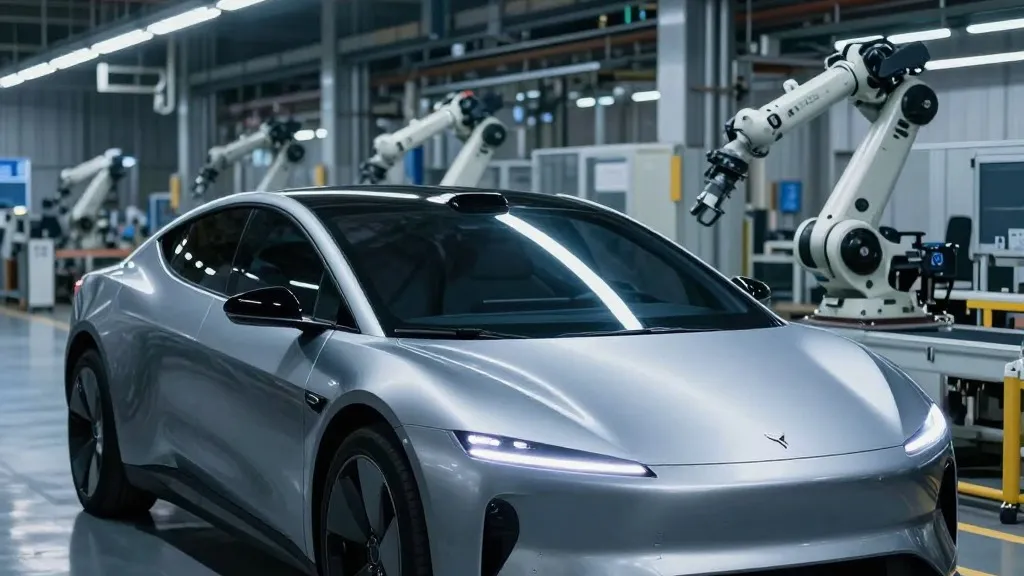
Vice President of Engineering Lars Moravy stated that the company is aiming to have Cybercabs in the hands of customers by the end of this year. He confirmed that production is actively underway at Gigafactory Texas, but emphasized that the initial output is being directed almost exclusively toward Tesla’s internal operations. Moravy noted that while units are being built, all of those vehicles are currently going to the company’s own internal Robotaxi fleet rather than being sold to the general public immediately.
The numbers surrounding the rollout suggest a phased approach rather than a mass-market launch. Tesla previously indicated an intention to price the Cybercab at approximately $30,000, a figure that positions it competitively against traditional compact cars. However, the immediate inventory is being consumed by the company’s existing services. The vehicle has been in production since February 2026, and early units have been integrated into the Robotaxi service since early September, when the company launched public rides.
Several key figures at Tesla outlined the strategic direction for the new vehicle. Moravy explained that as operations scale, the company will mainly deliver fully designed autonomous vehicles to its customer base, with the Cybercab serving as the first model in this category. He added that initial customer deliveries will start small. This cautious start allows Tesla to gain experience with delivery logistics, ownership models, and the complexities of fleet management, particularly when operating autonomous vehicles outside of its direct corporate control.
CEO Elon Musk reinforced the idea that private sales will be the minority in the initial phases. He described the Cybercab primarily as a "transport-as-a-service" offering, distinguishing it from personal ownership vehicles like the Model 3, Model Y, or the upcoming Roadster. "The vast majority of the Cybercab stuff will be Tesla-owned and transport-as-a-service," Musk said, signaling that the vehicle is designed more for utility and shared use than for personal garages.
The Cybercab itself is a significant departure from Tesla’s previous designs, featuring a two-seat configuration with no steering wheel or pedals. It relies entirely on Tesla’s Full Self-Driving suite to operate. This technical foundation has allowed the vehicle to enter production earlier than some other autonomous projects, but it also introduces specific challenges regarding regulatory approval and public safety standards that the company must navigate before widespread private adoption.
Looking ahead, Ashok Elluswamy, Tesla’s Head of AI, provided a broader timeline for the technology. He indicated that unsupervised Full Self-Driving is expected to ship to consumer cars during the second quarter of 2027. This suggests that while the Cybercab may arrive sooner, the broader integration of unsupervised autonomy into the company's existing vehicle lineup is a slightly later milestone.
Despite the optimistic timeline, hurdles remain ahead of widespread Cybercab deliveries. Early buyers or fleet operators may receive vehicles whose autonomous operation remains geographically restricted. These limitations are often due to lagging regulatory agencies that have not yet fully caught up with the rapid pace of autonomous vehicle technology. Tesla must balance the desire to deliver vehicles to customers with the need to ensure that regulatory frameworks are in place to support safe, unsupervised operation in various regions.
For the Great Lakes and Ohio Valley regions, the timeline implies that local residents might begin seeing these wheel-less vehicles in shared ride services before they appear in private drivages. The focus on a service-based model means that the immediate impact will be felt in transportation availability rather than in new car sales lots. As Tesla scales its delivery logistics, the region’s infrastructure and regulatory landscape will play a crucial role in how quickly these vehicles become a common sight on local roads.
Source: Teslarati · original report published
More Business · Consumer Watch · Report a business · Got a Story?