Tesla Q3 Profit Slides 56% as $4.78 Billion in Spending Outpaces Revenue
Margins recovered to 19.6%, but operating income fell sharply due to heavy investment in AI and new vehicles, leaving Wall Street to question the pace of 2026 capital deployment.
By Chloe Martin ·
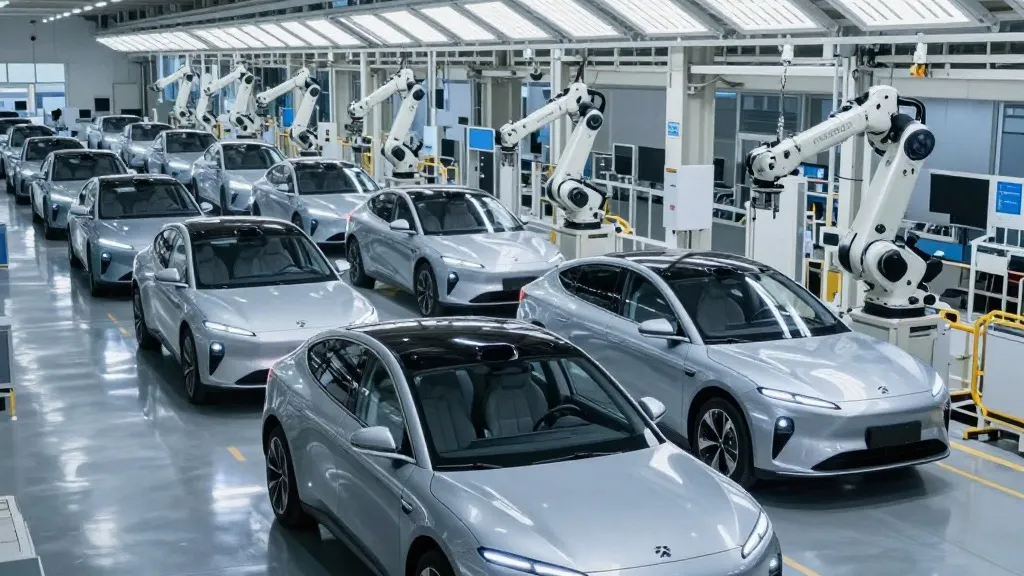
Tesla's financial trajectory remains defined by a widening gap between steady top-line sales and shrinking bottom-line returns. The electric vehicle manufacturer reported third-quarter results on Tuesday evening, revealing a business model that is generating consistent revenue but consuming capital at an accelerating rate.
The company posted $28.05 billion in revenue for the quarter, a figure that remained flat compared to the same period in 2025. This performance aligned closely with Wall Street expectations, which had forecasted $28.06 billion based on consensus estimates. While the top line held steady, profitability took a significant hit, with non-GAAP earnings per share landing at $0.48. This result beat the analyst consensus of $0.45 but marked a 4% decline from the $0.50 reported a year ago.
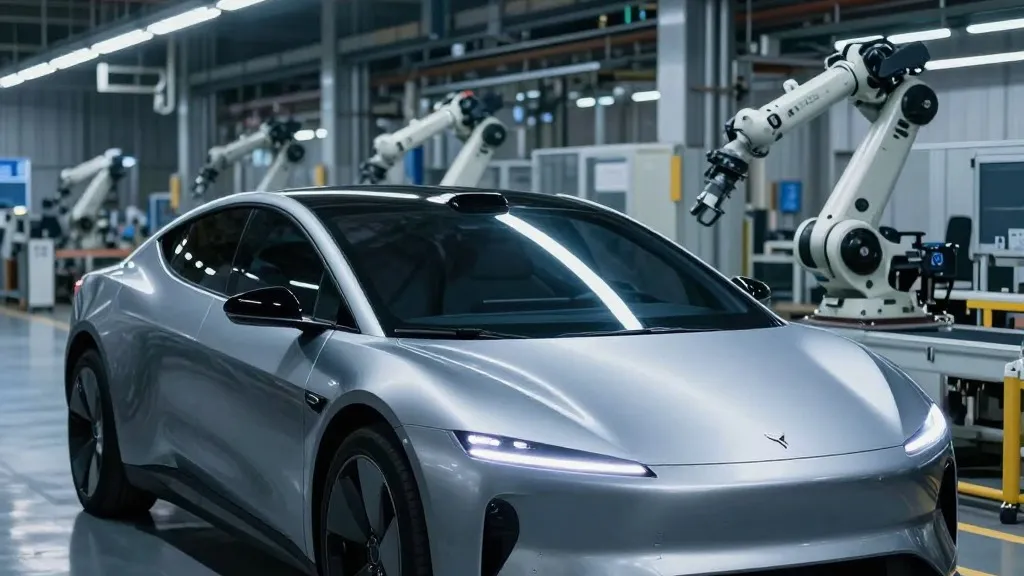
The primary driver of the profit decline was a surge in operating expenses. Total operating costs rose 39% year-over-year to $4.78 billion. Research and development spending led this increase, jumping 69% to $2.76 billion as the company accelerated work on its "Super Intelligence" initiative, the Optimus robot, and the Cybercab. Additionally, stock-based compensation reached $1.17 billion, a substantial increase from $663 million in the prior year, largely due to the 2025 CEO pay package.
Margins showed signs of stabilization after a difficult second quarter. Total gross margin improved to 19.6%, up 160 basis points from the 18.0% recorded in the same quarter last year. Automotive gross margin, excluding regulatory credits, recovered to 18.1%, up from 16.3% in the previous quarter. However, this improvement was not enough to offset the spending surge. Operating income fell 56% to $718 million, resulting in an operating margin of 2.6%, down from 5.8% a year ago.
Capital intensity remains a focal point for investors. Tesla spent $4.73 billion on capital projects in the quarter, more than double the $2.25 billion spent a year earlier. Through the first nine months of 2026, total capital spending reached $13.01 billion. This pace falls short of management's earlier guidance for "more than $25 billion" in annual spending. To meet that target, the company would need to spend approximately $12 billion in the fourth quarter, a figure that would be more than double its largest spending quarter to date.
The energy division presented a mixed picture. Revenue in the energy generation and storage segment dropped 16% to $2.88 billion, a decline attributed in part to customer refunds related to tariffs. Despite this revenue drop, the segment's gross margin improved significantly to 33%, up from 20% in the second quarter. In contrast, the services and other segment became a profit engine, with revenue growing 33% to $4.61 billion and gross profit hitting a record $734 million.
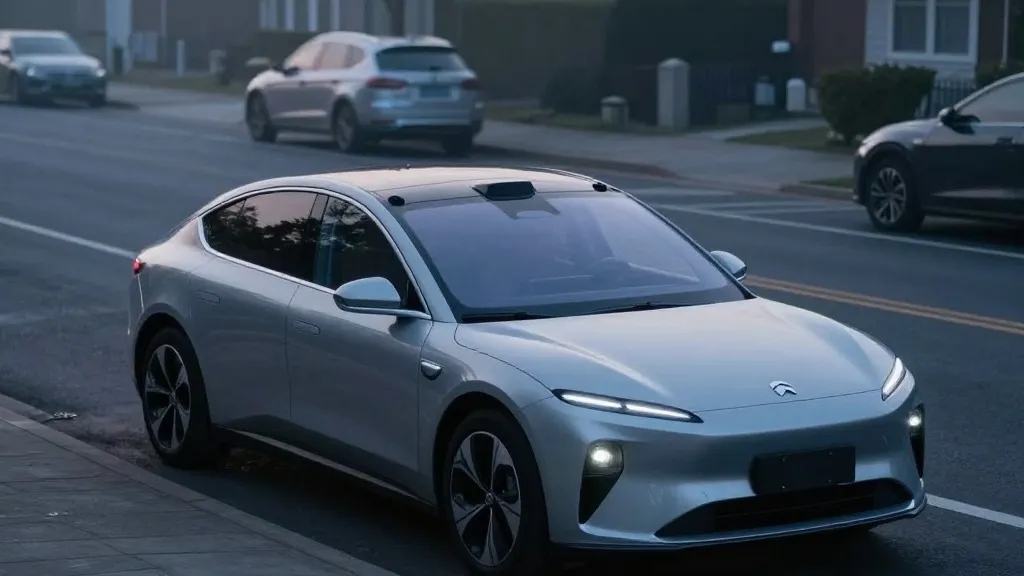
Tesla attributed flat vehicle sales to supply constraints rather than weak demand. The company stated that battery availability was the limiting factor for auto volumes and noted that it ended the quarter with its largest passenger vehicle backlog in four years. Deliveries totaled 486,532 vehicles, a 2.1% decrease year-over-year, while production stood at 464,391. This production gap allowed the company to reduce inventory to 11 days of supply, down from 15 days in the previous quarter.
On the technology front, active subscriptions for the Full Self-Driving (FSD) system reached 1.74 million, a 67% increase. The company's Robotaxi service has accumulated nearly 2 million unsupervised miles, a milestone achieved shortly after the Cybercab joined the fleet in Austin. Management is scheduled to discuss these results and future outlooks on an earnings call later this evening.
The financial results suggest a company in a transition phase, trading immediate profitability for long-term technological positioning. While the revenue base remains robust, the heavy investment in AI and new vehicle platforms continues to pressure margins. Investors will now watch the fourth quarter closely to see if capital spending accelerates to meet annual targets or if the 2026 plan shifts toward 2027.
Source: Electrek · original report published
More Business · Consumer Watch · Report a business · Got a Story?