Voters Pick Knesset as Two Parties Eye the 3.25% Line
Small lists on the threshold could shift which bloc controls Israel's next government.
By Chloe Martin ·
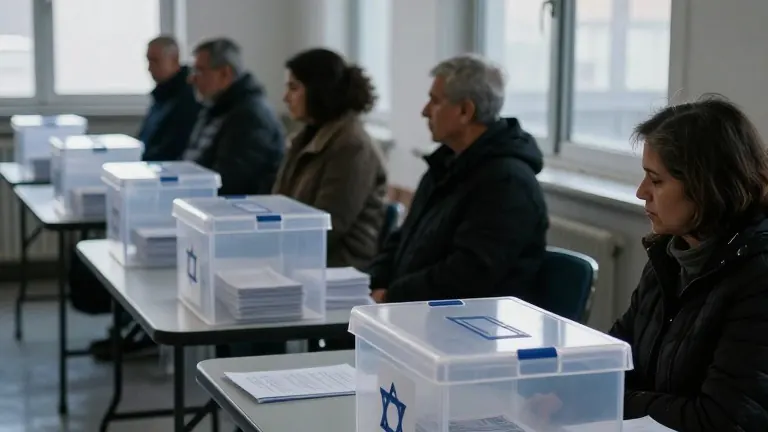
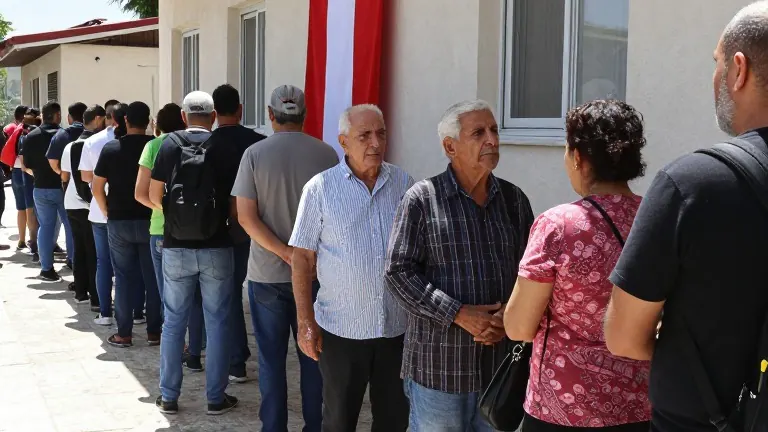
Israelis began voting on October 27 for the 26th Knesset, with Prime Minister Benjamin Netanyahu's Likud leading the right-wing coalition ballot against a set of centrist, left and Arab parties in opposition. Seats are allocated proportionally, and a list must clear a 3.25% threshold to enter the chamber at all.
Likud, which Netanyahu heads, campaigns on national security and Jewish nationalism and opposes Palestinian statehood. Its coalition partners on the right include Otzma Yehudit, led by National Security Minister Itamar Ben-Gvir, which calls for expanded Jewish settlement and tougher law enforcement; Religious Zionist Party-Zehut, led by Finance Minister Bezalel Smotrich with Zehut's Moshe Feiglin, which seeks sovereignty over the West Bank and judicial reform; and the ultra-Orthodox Shas and United Torah Judaism. Shas represents Sephardi and Mizrahi haredi and religious Jews, while UTJ represents Ashkenazi haredi communities. Both parties protect the standing of religious institutions and broad exemptions from IDF service for yeshiva students.
The opposition includes Yashar, led by former IDF chief of staff Gadi Eisenkot, focused on national security and replacing Netanyahu; B'Yachad, led by former prime minister Naftali Bennett, which emphasizes government reform, economic growth and drafting haredi men; and The Democrats, led by Yair Golan, a left-wing Zionist party calling for civil rights and equal military service. Yisrael Beytenu, led by Avigdor Liberman, is a right-wing secular nationalist party that wants a tougher line against Hamas and less religious-party influence in government; it also sits in opposition. Among Arab Israeli lists, the Joint List stresses equality and Palestinian national rights, while Ra'am, led by Mansour Abbas, focuses on crime, funding and living conditions in Arab communities.
Two smaller lists sit near the 3.25% threshold in recent surveys, and their standing varies between polls. People of Israel is led by former IDF general Ofer Winter; it backs Netanyahu for prime minister, requires haredi enlistment as a condition for joining a government, rejects blanket yeshiva student exemptions and supports a hardline security policy that includes voluntary emigration from Gaza. The Reservists-Economic Party is led by former minister Yoaz Hendel and economist Yaron Zelekha; it pairs a right-leaning Zionist security agenda with economic reform, says it will join only a Zionist government and wants a universal conscription law passed before any government is formed.
The Haredi Public Party, led by Moti Leitner, offers an alternative to Shas and UTJ. It backs wider haredi military or national service, core-curriculum studies including math and English, and more accountability from haredi political leaders.
Voting began at 7 a.m. local time and closes at 10 p.m. local time on October 27. Final turnout figures and seat allocations follow the count.
Coalition arithmetic depends in part on whether People of Israel and the Reservists-Economic Party cross 3.25%. Neither list has reported a result as of this report.
Source: The Jerusalem Post