
22 Starship Flights: The New Estimate for Moon Landing Logistics
NASA officials now estimate that 22 separate launches are required to fuel a lunar lander, a figure that has risen significantly from previous projections.
By Pablo Kuznetsov ·
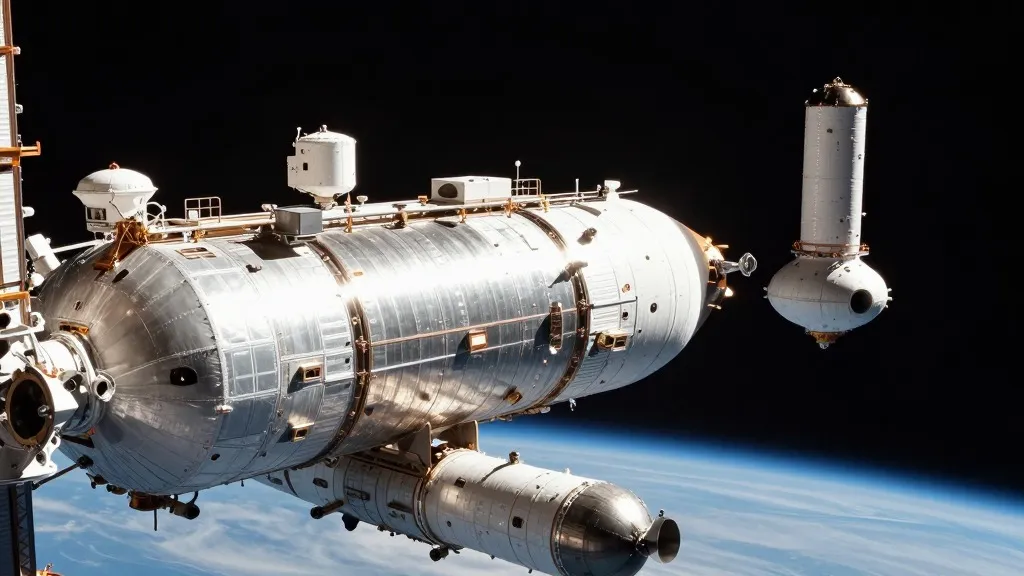
NASA’s latest internal assessment indicates that 22 separate Starship launches are required to accumulate sufficient propellant in low-Earth orbit for a lunar mission. This figure represents a substantial increase from earlier, more optimistic projections and highlights the logistical complexity of fueling a spacecraft for a trip to the Moon and back. The agency has historically been tight-lipped about this specific metric, treating the number with a level of secrecy often reserved for sensitive security data within the Artemis Program.
The primary goal of these repeated launches is to build a 'depot' in orbit. A single Starship variant acts as the storage vessel, while subsequent flights serve as tankers that deliver liquid oxygen and methane. Once the depot is fully loaded, the lander can refuel, travel to the lunar surface, and return to lunar orbit. The shift to this higher number suggests that the efficiency gains previously anticipated have not materialized at the pace necessary to keep the current timeline intact.
For years, NASA officials have provided vague ranges rather than concrete figures, citing the evolving nature of the technology. In 2023, Lisa Watson-Morgan, then-director of the Human Landing System, expressed reluctance to commit to a specific count, stating she was hesitant to define the exact number. At that time, she characterized the requirement as being in the 'high single digits to the low double digits,' which implied roughly a dozen flights. This earlier estimate assumed a specific operational model where one depot vehicle would be serviced by 11 tanker flights.
Other agency personnel had previously suggested the number might reach the 'high teens,' reflecting a recognition that the process was more demanding than initially modeled. The overarching hope was that SpaceX would significantly boost the lift capacity of the Starship rocket, thereby reducing the number of tanker flights needed to fill the depot. However, current concerns among NASA leadership suggest that this dramatic improvement in capacity may not arrive soon enough to allow Starship to play a pivotal role in landing humans on the Moon within this decade.
The new estimate was revealed during the quarterly meeting of the NASA Aerospace Safety Advisory Panel held on Thursday. Charlie Precourt, a former NASA astronaut and panel member, discussed the risks associated with the Artemis Program and the challenges of returning humans to the lunar surface. His remarks underscore the growing scrutiny surrounding the technical and logistical hurdles that must be overcome to meet the program's goals.
Contextually, this development marks a shift in how the agency views the viability of the Starship-based approach for near-term milestones. The increase from a 'low double digits' estimate to 22 flights indicates a more conservative assessment of the current vehicle's capabilities. This has implications for the overall schedule, as more launches mean more time required for operations, testing, and integration in orbit.
Looking ahead, the focus will likely turn to whether SpaceX can accelerate improvements to Starship's payload capacity. If the number of required tanker flights can be reduced through engineering upgrades, the 22-launch estimate may become obsolete. Until then, however, the agency appears to be planning for a more resource-intensive campaign, acknowledging that the path to the Moon is longer and more complex than previous models suggested.
Source: Ars Technica · original report published