Murkowski, Talarico and others chase split-ticket voters in tight races
Campaigns in Texas, Kansas and Alaska are courting the other party's loyalists, but researchers warn the impact may be limited to small margins.
By Pablo Kuznetsov ·
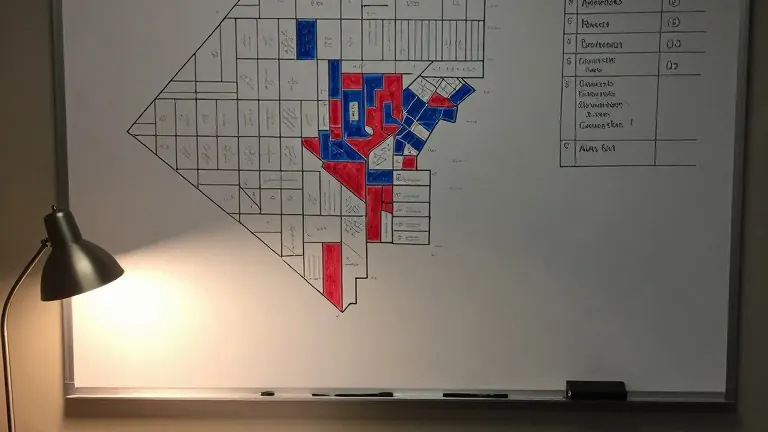
Voters in Texas, Kansas and Alaska face a different calculus this November as candidates from both parties actively court the other side's base. These efforts aim to secure the few additional votes needed in statistically tied contests.
In Alaska, Republican Sen. Lisa Murkowski endorsed Democratic gubernatorial candidate Jonathan Kreiss-Tomkins on Tuesday. In Kansas, former Republican governors Bill Graves and Mike Hayden backed Democratic U.S. Senate candidate Adam Hamilton in September and October. In Texas, the campaign for Democratic U.S. Senate candidate James Talarico reported that more than two dozen former GOP officials support him.
Kel Seliger, a former GOP state senator, joined Talarico's side this week. He chose the Democrat over Attorney General Ken Paxton, the Republican nominee. Seliger said he has served with both men. He noted that Talarico is not a wild-eyed socialist. While Seliger disagrees with many Democratic Party positions, he believes Talarico will be honest and direct. He added that Talarico will prioritize what is best for Texas, not what is best for Elon Musk.
Republican officials anticipate similar crossover support for their own nominees. Natalie Baldassarre, national press secretary for the Republican National Committee, pointed to the race in Michigan where Mike Rogers faces Abdul El-Sayed. She also cited the Texas Senate contest. Baldassarre referenced a coalition called Democrats for Mike Rogers as evidence of cross-party engagement.
Political scientist Joshua Blank, research director at the Texas Politics Project, cautioned that such behavior is often idiosyncratic. He stated that large groups of Republicans are not crossing lines to vote for Democrats, nor are large groups of Democrats voting for Republicans. Blank described these shifts as small, specific behaviors among a minor share of the electorate. However, he acknowledged that if elections are close, these small numbers could determine the outcome.
Recent polling indicates that several midterm races have narrowed to the point of statistical ties. Candidates continue to promote their bipartisan endorsements in the final days of the season. The next major step in the process is the general election itself, where these small shifts will be tested against the final tally.
Source: WOIO