PLD Space Pushes Miura 5 Toward Launch While Reaction Dynamics Seeks Major Funding
PLD Space is nearing the final assembly of its Miura 5 rocket as Reaction Dynamics outlines plans to significantly expand its team.
By Bianca Ricci ·
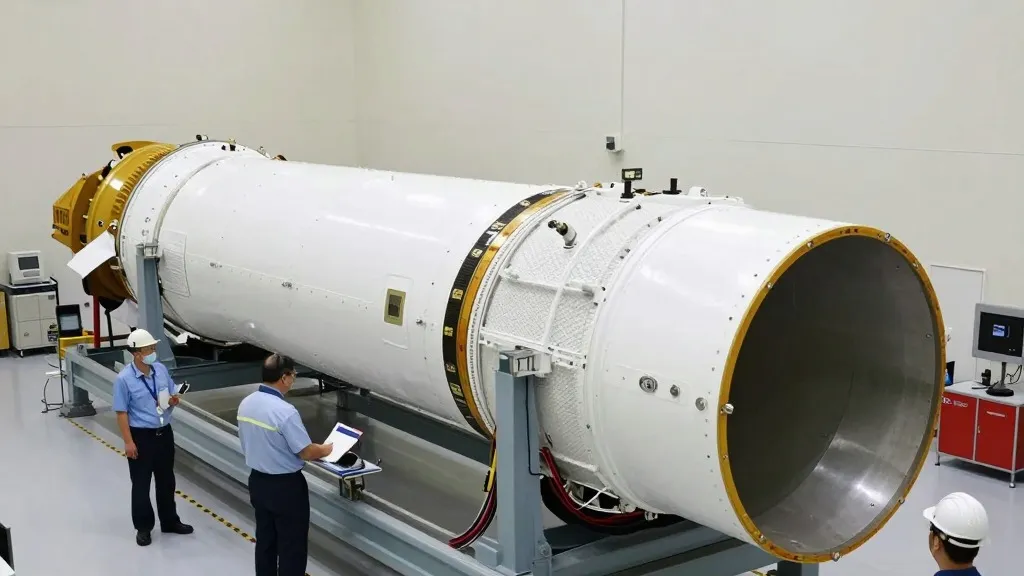
PLD Space is moving forward with the final integration of its Miura 5 rocket as the company prepares for an initial flight attempt next year. The vehicle, designed for small-lift missions, is one of three Miura 5 units that have already been manufactured by the Spanish company. The other two vehicles were built to help qualify key system elements required for the rocket to fly safely.
CEO Raúl Torres addressed the program status on October 19, explaining that the construction of multiple vehicles allowed the team to maintain a steady workflow. He noted that manufacturing these three vehicles has allowed our teams to work continuously across different stages of production and integration, applying the lessons learned from each qualification campaign directly to the launch vehicle. The company is currently targeting a first flight of the small-lift vehicle before mid-2027.
One of the second stages for the rocket has been fully integrated and moved to the PLD test facility in Teruel. This specific hardware will now begin a system-level testing campaign under representative operating conditions. The schedule for this unit includes a wet dress rehearsal and a static hot-fire test, which are standard procedures to validate the rocket's readiness for flight.
In Canada, Reaction Dynamics is seeking to raise $350 million to expand its operations. The company is aiming to grow its staff from 68 employees to more than 350 people to support its development goals. Reaction Dynamics is working on the Aurora, a small-lift rocket that the company hopes will reach orbit in 2028.
Beyond the Aurora, Reaction Dynamics has also announced plans to build a medium-lift rocket named Borealis. The company aims for a debut of that vehicle by 2031. Reaction Dynamics is one of three prominent launch startups based in Canada.
The aerospace industry is seeing various activities regarding launch vehicles this week. While some companies are advancing hardware integration, others are managing contract awards and safety reviews. These developments reflect the ongoing efforts to improve launch capabilities for both civil and military purposes.
The focus on funding and hardware integration highlights the resources needed to bring new rockets to the launch pad. Companies like Reaction Dynamics are raising capital to hire more staff, while PLD Space is putting its manufactured components through necessary testing. Both activities are essential steps in the process of reaching orbit.
PLD Space and Reaction Dynamics are operating in different parts of the world but share similar objectives in the small-lift rocket market. PLD Space is working toward a flight next year, while Reaction Dynamics is targeting 2028 for its first orbital attempt. The timeline for these projects remains a key factor in their development.
As of October 23, 2026, PLD Space is proceeding with the integration and testing of its hardware. Reaction Dynamics is seeking funds to expand its workforce and support its development schedule. Both companies are focused on the future of launch operations.
Source: Ars Technica · original report published