Polls show 38% say finances worsened as midterms approach
Historical data suggests the president's party faces steep losses in November, though structural factors limit the potential scale of Democratic gains.
By Bianca Ricci ·
A new survey indicates that economic anxiety is driving voter sentiment ahead of the November elections. The latest NPR, PBS News, and Marist poll found that 38% of respondents said their economic situations have worsened. Only 15% reported that their financial standing has improved. A plurality of 44% stated their finances have remained mostly the same.
President Donald Trump’s approval ratings are at record lows. His administration has faced record-high intensity of opposition. Voters are blaming the president for rising prices. The war with Iran and the implementation of tariffs are cited as direct causes of increased costs for goods and energy.
The economic divide is widening. Wealthy investors are benefiting from stock portfolios dominated by artificial intelligence companies. Meanwhile, many Americans are struggling with inflation that outpaces wage growth. A middling labor market and rising interest rates are making it harder for millions to purchase homes or cars.
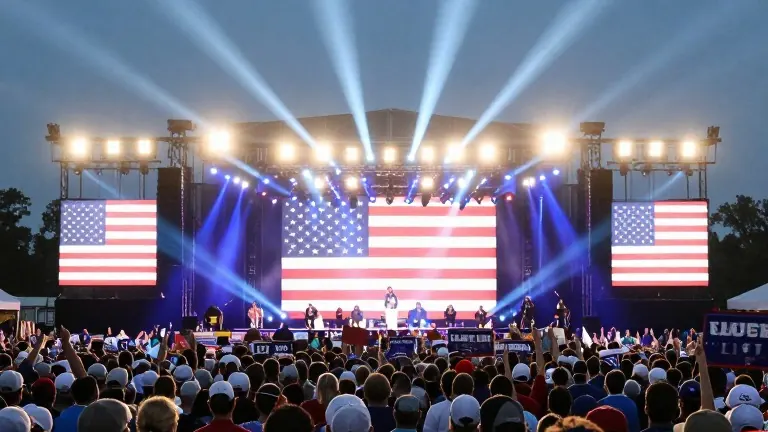
Political history suggests a difficult path for the president's party. Since World War II, the president's party has gained seats in the House only twice during midterm elections. On average, the party loses 26 seats. When the president’s approval rating is below 50%, as it currently is, the average loss increases to 35 seats. Trump has acknowledged this historical trend at campaign events.
Democrats have performed well in recent special and off-year elections. They are now favored to win control of the House. They are also close to winning the Senate, a position that was considered unlikely earlier in the cycle. The unpopular Iran war and skyrocketing gas prices have further damaged Republican prospects.
Structural factors may limit the size of the Democratic victory. There are about 30 fewer competitive districts this year than in 2018. In 2018, Democrats won a net gain of more than 40 seats. Mid-decade redistricting has also helped Republicans. An NPR analysis estimates that Republicans gained an advantage of eight seats through redistricting efforts.
The Democratic Party faces its own challenges. The party is not viewed positively by all voters. Some self-identified democratic socialists are highly engaged in these midterms. The latest poll shows that 44% of respondents view their vote as a vote against Trump. Twenty-one percent view it as a vote for him.
Republican candidates have adjusted their messaging. Mentions of Trump in ads were high during the primaries. They are now nearly nonexistent. Republicans privately describe Trump as a double-edged sword. He is needed to energize the base but is toxic with swing voters. His support among voters who crossed over to vote for him in 2024 has dropped significantly this year.
Trump is traveling to red states to urge his base to turn out. Without high Republican turnout, a small Democratic gain in the Senate could expand to six or seven seats. If Democrats do not win the House, it would represent a major polling error. Most states and districts will be called by election night. Some key races, particularly in the Senate, may remain undecided for days or weeks.
Trump is preparing claims of rigged elections. He has made such claims after previous elections. A quarter of Republicans in the latest poll said their candidate should not accept the results if the election is close. Most people across parties believe their states will run fair elections. The 2028 election cycle begins immediately after the midterms, with candidates expected to announce their intentions in January or February.
Source: WFAE