Tesla Builds Internal Maps to Fix FSD Navigation Flaws
The automaker is developing a proprietary mapping system to address persistent errors in speed limit reading and route selection for its self-driving software.
By Pablo Kuznetsov ·
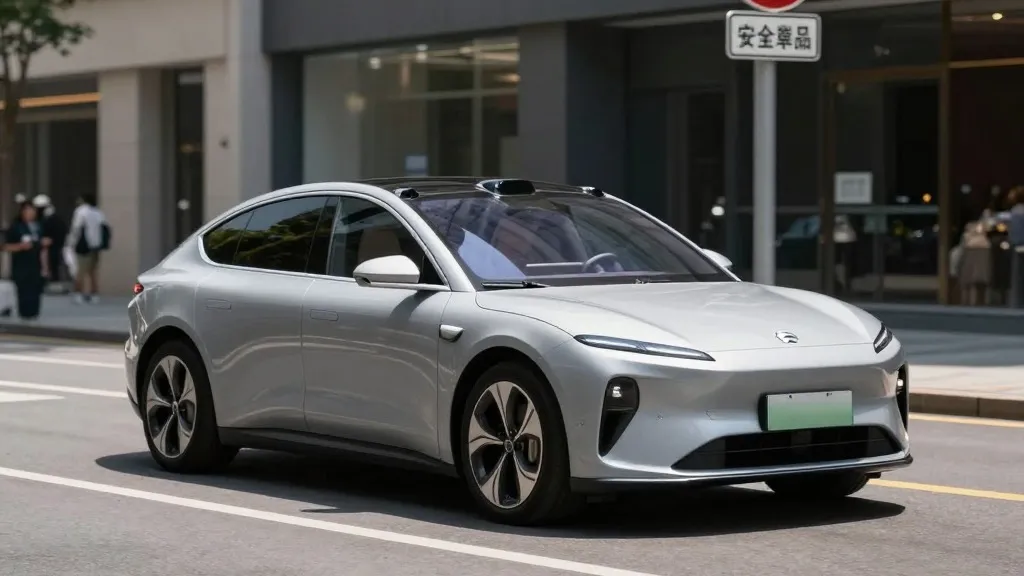
Tesla has long championed a vision-only approach to autonomous driving, yet the company is now constructing its own mapping infrastructure to address critical software gaps. On the Q3 2026 earnings call, Tesla’s head of AI confirmed that the firm is developing a new map layer to correct common failures in its Full Self-Driving system. This move marks a significant pivot from the company’s earlier stance that reliance on external data made self-driving vehicles brittle.
The primary motivation for this shift is to improve how the vehicle interprets its immediate environment. A retail investor highlighted that speed limits, parking logic, and route selection remain the most frequent issues for FSD users. Ashok Elluswamy, Tesla’s VP of AI, agreed that the company should stop depending on external providers. He explained that the new architecture will use data from Tesla’s fleet to build a dynamic map that also learns individual driver preferences and responds to voice commands.
The rollout of this technology will occur in stages. The system will initially handle the start and end of trips with the upcoming FSD v15 release. Over the following months, Tesla plans to expand the map’s role to manage navigation, parking, and destination handling. This incremental approach allows the company to integrate the new data layer without overhauling the entire vision pipeline at once.
This development contrasts sharply with Tesla’s public messaging from previous years. In 2015, the company claimed it was building high-precision maps with granular detail. However, at its 2019 Autonomy Day, CEO Elon Musk declared that high-precision lane maps were a mistake that made systems fragile. He famously dismissed lidar as a fool’s errand, arguing that cameras and AI alone could solve driving in any location. Seven years later, the company is using its fleet to create a map layer specifically to fix the errors that the vision system cannot reliably resolve.
Critics argue that this new approach mirrors the methodology used by Waymo, which has operated driverless services for years. Waymo maps cities using sensor-equipped vehicles before launching service and continues to update those maps as its fleet drives. Tesla’s new strategy involves its cars collecting visual data to feed a central map that improves performance for all vehicles. The main technical difference remains that Waymo’s cars are equipped with lidar, while Tesla relies on cameras.
The need for this map layer is underscored by recent findings regarding FSD’s accuracy. Last month, a Belgian road safety group reported that FSD exceeded the limit in 55 percent of the 30 km/h zones tested in Brussels. The system often displayed an incorrect 50 km/h limit on the screen. In the United States, the NHTSA is considering an investigation into claims that Tesla Robotaxis speed through active school zones. These incidents suggest that the vision system still struggles with basic environmental cues that a dedicated map can provide.
As Tesla moves closer to launching unsupervised FSD in customer cars in the second quarter of 2027, the integration of this map layer is a critical step. The company currently operates its Robotaxi service within small geofenced areas. By building a map from its own fleet, Tesla may be acknowledging that a purely vision-based solution requires additional data to achieve the reliability promised to consumers.
Source: Electrek · original report published