Water utility handles over 100 daily spill reports
West Virginia American Water relies on constant data monitoring and simulated drills to protect its seven surface water treatment plants.
By Pablo Kuznetsov ·
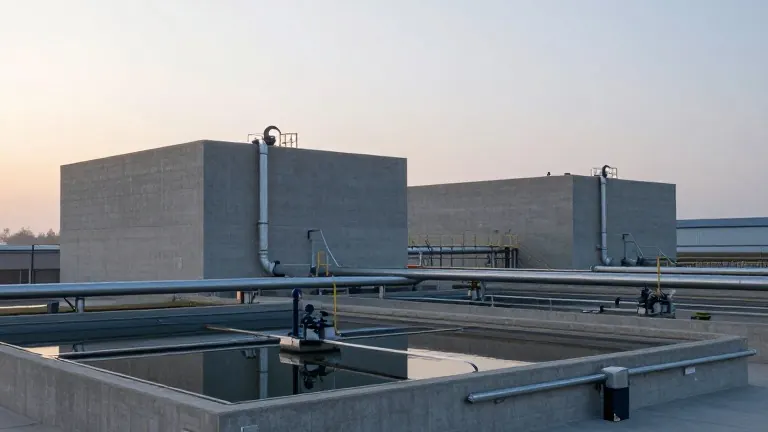
West Virginia American Water operates a source water protection program that requires staff to process a high volume of environmental alerts. The utility receives more than 100 spill reports every day in the inboxes of its operators. Their primary task is to ensure that none of these incidents reach the water supply used by customers.
Nick Kevey, the source water protection senior manager for the company, stated that operators have access to raw water data monitored around the clock. He explained that this live data is available for their team at all times. The utility also works with the Department of Environmental Protection to receive official spill reports. These reports serve as an early warning system to prevent impacts on the plant infrastructure.
The company operates seven surface water treatment plants that receive live reports from the DEP for their specific regions. Kevey noted that West Virginia is one of a small number of states with specific source water protection regulations. These rules require utilities to be proactive by having a plan in place before a spill occurs, rather than reacting only after the fact.
To prepare for potential emergencies, the company conducts tabletop exercises. Kevey described these as made-up scenarios used to help operators and leadership collaborate on response strategies. The goal is to practice handling spills so the team is ready before an actual incident takes place. This process involves reviewing how the organization would handle a hypothetical event to maintain preparedness.
The utility identifies its customers as the main focus of its operations. Kevey said that ensuring customers receive safe, clean, and reliable water is the top priority for the company. He added that being proactive in their protection efforts supports this commitment to their user base.
Source: WQCW