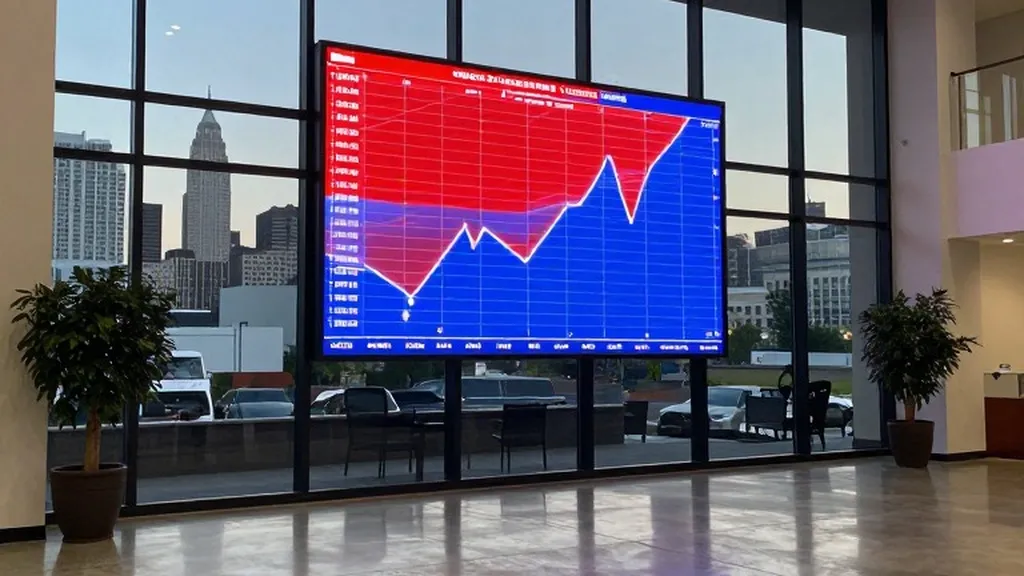
Trump rallies, fraud claims shape Great Lakes midterm fight
As polls open in Ohio and Michigan, the president's low approval ratings and active campaigning are central to the race for Congress.
By Bianca Ricci ·
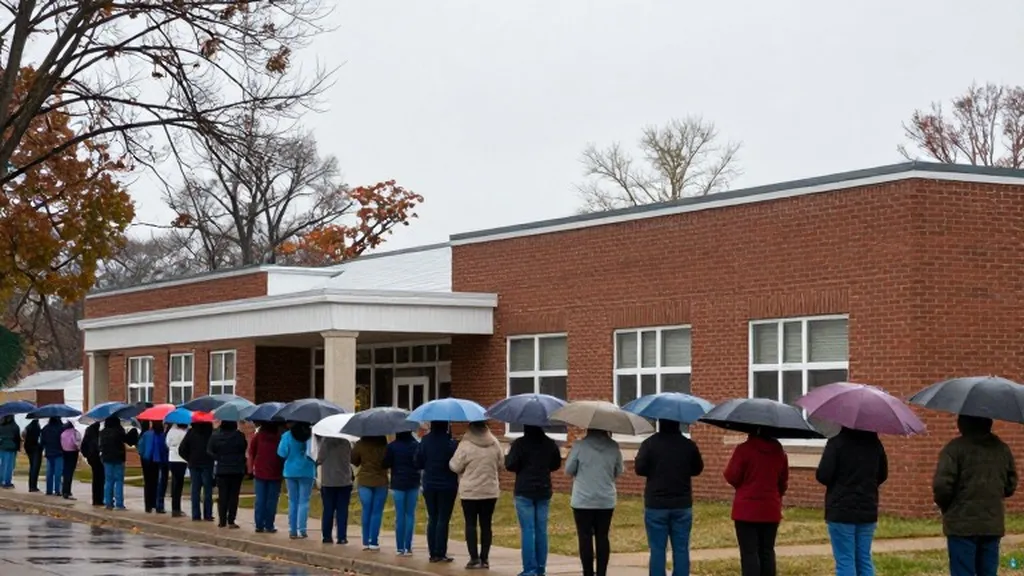
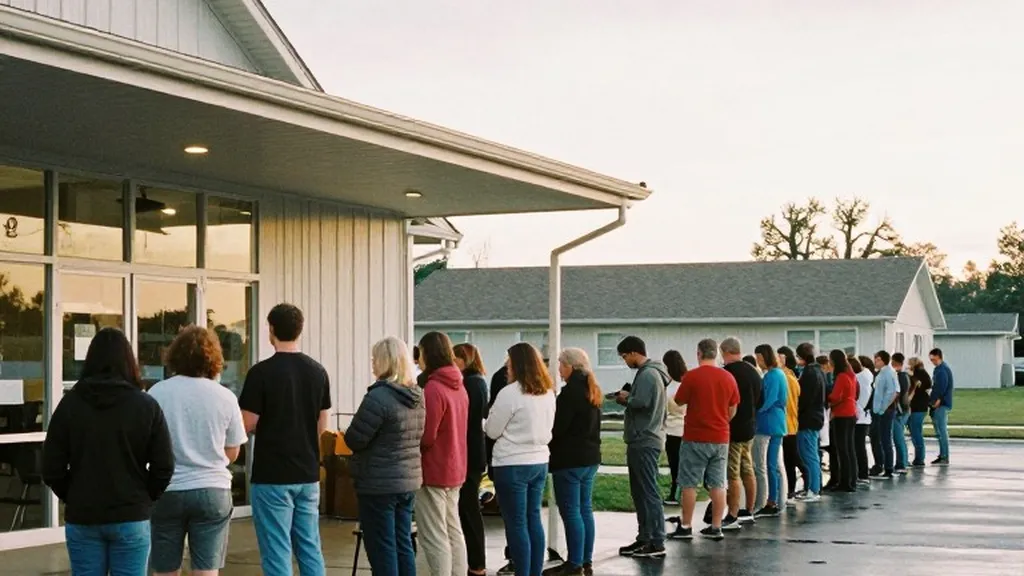
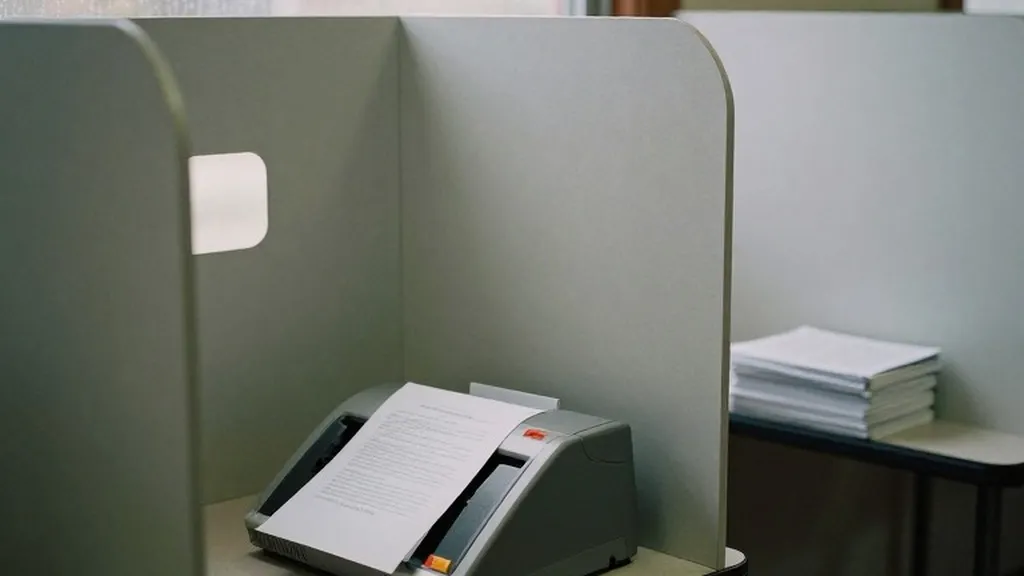
Polls opened this morning across the Great Lakes and Ohio Valley, marking the start of a critical vote for the midterm elections. In Ohio, voters cast ballots from 6:30 a.m. to 7:30 p.m., while in Michigan, polls are open from 7 a.m. to 8 p.m. Kentucky and West Virginia also have polls open, with Kentucky closing at 6 p.m. and West Virginia at 7:30 p.m. The Associated Press describes this election as a referendum on President Donald Trump's second term, with voters weighing in on high prices and an unpopular war with Iran.
President Trump has held dozens of rallies in the lead-up to this day, ending his recent tour in Salina, Kansas. His message to supporters was direct, telling them to pretend he is on the ballot. This aggressive campaigning comes as his approval numbers remain low. According to AP-NORC polling, 35% of U.S. adults approve of his job performance, and only 25% approve of his handling of the economy. About seven in 10 people say the country is heading in the wrong direction, with most blaming the president for high prices.
Many Republican candidates in the region have kept their distance from the president in recent weeks. This strategy reflects the political reality that Democrats need a net gain of three districts in the House and four seats in the Senate to take control. In the Senate, Republicans can lose only two seats to keep their majority. The AP notes that one or two seats could tip either chamber, making every district in the Great Lakes region crucial.
In Ohio, the Senate race is a special election for the rest of the term held by JD Vance. The race pits Democratic former Senator Sherrod Brown against Republican Senator Jon Husted. In Michigan, an open Senate seat is being contested by Republican former Representative Mike Rogers and Democrat Abdul El-Sayed. On Sunday, El-Sayed's former primary opponent Haley Stevens endorsed Rogers, adding another layer to the campaign dynamics in the state.
The president has continued to make false claims about voting fraud, including the assertion that noncitizens vote in large numbers. His administration has sued in Alaska and California, and Democrats fear interference as the Justice Department threatens to prosecute local election officials. A federal judge temporarily barred the administration from carrying out a plan to prevent noncitizen voting, a move critics say risks disenfranchising eligible voters.
Turnout is a major focus for both parties. RNC Chairman Joe Gruters stated that everything depends on turnout, asserting that if Republicans turn out their voters, they win. More than 57 million people had already voted as of Monday, surpassing the early vote of four years ago in many closely watched states. This high level of early participation suggests a strong showing at the polls today across the region.
Economic strain and tariffs have made several states competitive, according to the AP. In Michigan, the governor's race is also open, with no incumbent on the ballot. Republicans hold 18 of the governor's offices on the ballot nationwide, and Democrats hold 18. A net gain of two governorships would give Democrats a nationwide majority, something they have not held since 2010. The mood among voters is mixed, with some expressing anger over rising costs and others expressing confidence in the president's leadership.
Voter James Moore, a 57-year-old librarian in Raleigh, North Carolina, said he is paying more for taxes, healthcare, and everything else. Conversely, voter Mark Barker of Palm Beach Gardens, Florida, said he has been following Trump the whole time and thinks he is doing an awesome job. These individual sentiments reflect the broader national divide that is playing out in the Great Lakes region today.
The 2026 elections are likely to be the most expensive in history. Republican committees outraised and outspent Democratic committees at the committee level, helped by Trump-affiliated groups and Elon Musk. However, at the candidate level, Democrats outraised their opponents. The AP analysis of AdImpact data shows that 88.1% of Republican general election TV ad spending went to states and districts Trump won in 2024.
As polls close in the afternoon, the focus shifts to the counting of ballots. The U.S. Postal Service added hours and staff to ensure mail ballots are counted on time. In states like Ohio and Michigan, where polls are open until 7:30 p.m. and 8 p.m. respectively, the final hours will determine the shape of Congress for the next two years. The results will decide who controls the legislative agenda for the remainder of Trump's term.
The stakes extend beyond simple majority control. If Democrats win even one chamber, investigations and possible impeachment proceedings become likely. House Democratic Leader Hakeem Jeffries has outlined a 100-day agenda focused on the cost of living and oversight. A strong Democratic night would also boost potential 2028 candidates like Gavin Newsom and JB Pritzker. Republicans have tried to beat the midterm pattern of losing seats, but new district maps in states like Ohio may not vote as drawn.