Tesla's Robot Factory Ramps Up as Academy Trains AI for Real World Work
The automaker is shifting its Fremont line to mass-produce humanoid robots that will learn through a massive internal practice network.
By Chloe Martin ·
The era of robots built for the factory floor is officially beginning in the Great Lakes region.
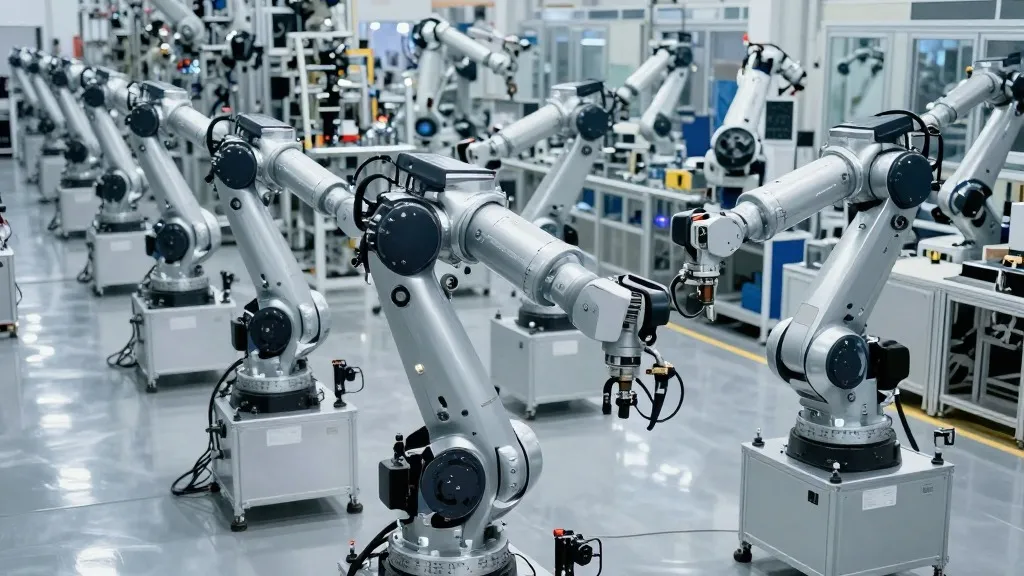
Tesla has announced that it has begun manufacturing its Optimus humanoid robot on a high-volume assembly line located within its Fremont, California facility. According to the company's third quarter shareholder letter, these units represent the first production-quality models that meet the standards required for a commercial product. The firm stated that it has successfully proven the current manufacturing process is suitable for scaling the robot to a wide market.
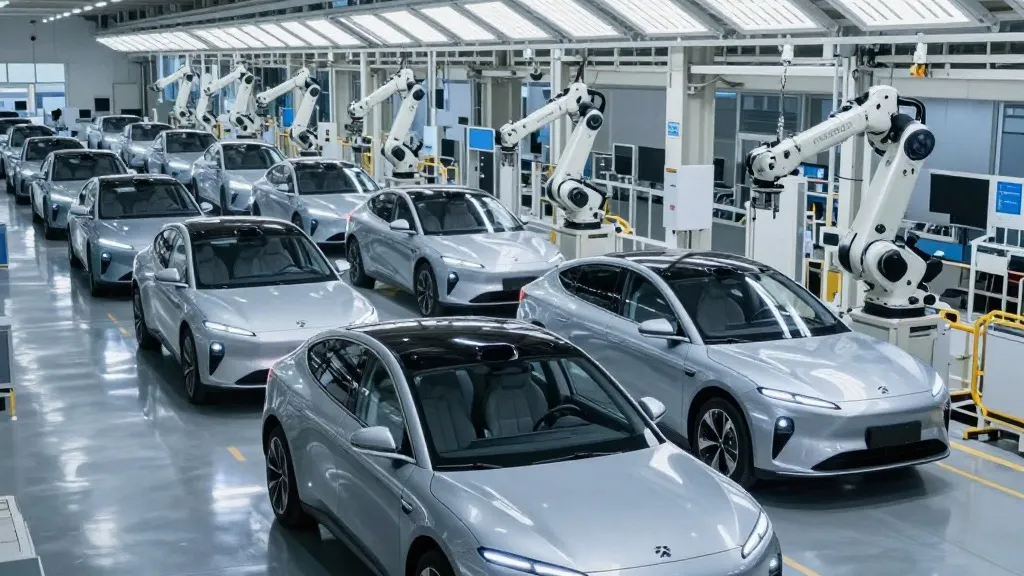
This new production line occupies the space previously used for Model S and Model X vehicles. Tesla cleared that old vehicle line in just 46 days to prepare the area for robot production, which is currently sized to handle one million units annually. Elon Musk noted on a recent earnings call that most of the necessary equipment is already installed. He indicated that output is expected to rise toward approximately 20,000 robots per week as the line reaches full capacity.
Musk described the production increase as following a classic S-curve, noting that the initial phase will feature a shallow slope. The engineering team is currently refining the robot's artificial intelligence, electromechanical design, and reliability. Tesla plans to finish this work by the end of next year, at which point it intends to start delivering Optimus units to outside companies for dangerous, repetitive, and around-the-clock tasks.
A significant challenge for the new product is the lack of a large fleet to generate training data, unlike the company's car lineup. To solve this, Tesla is establishing an Optimus Academy where 10,000 to 20,000 robots will practice a wide range of tasks. These robots will feed their performance data back into the system, allowing the next version of the model to learn and improve. Every unit coming off the Fremont line will serve as a source for this continuous training data.
Hardware improvements are also in the pipeline. Tesla plans to integrate its AI5 chip into the Optimus design next year. Musk expects to release a new video within one or two months showing the robot completing tasks driven by artificial intelligence rather than preprogrammed motions. He criticized rival humanoid demos for relying on scripted routines that may not hold up in real world conditions.
The supply chain is expanding to support the program. Tesla certified Tuopu, Joyson, and Sanhua as mass production partners for components in September. A much larger Optimus factory is also under construction at Giga Texas, with a long term target of 10 million robots per year. Executives said production costs are trending toward those of the Cybercab, though the robot's hands remain the toughest design element currently under engineering review.
Source: Teslarati · original report published