Record Spending and a Republican Edge Define the 2026 Midterm Money War
While Republican committees dominate total ad spending, Democrats maintain a fundraising advantage at the candidate level in key Great Lakes races.
By Bianca Ricci ·
The 2026 midterm elections are shaping up to be the most expensive in history, according to an analysis by the Associated Press. The sheer volume of money pouring into the race highlights the intensity of the contest for control of Congress. This financial scale reflects the high stakes involved in deciding which party will hold power during the final two years of President Donald Trump's second term.
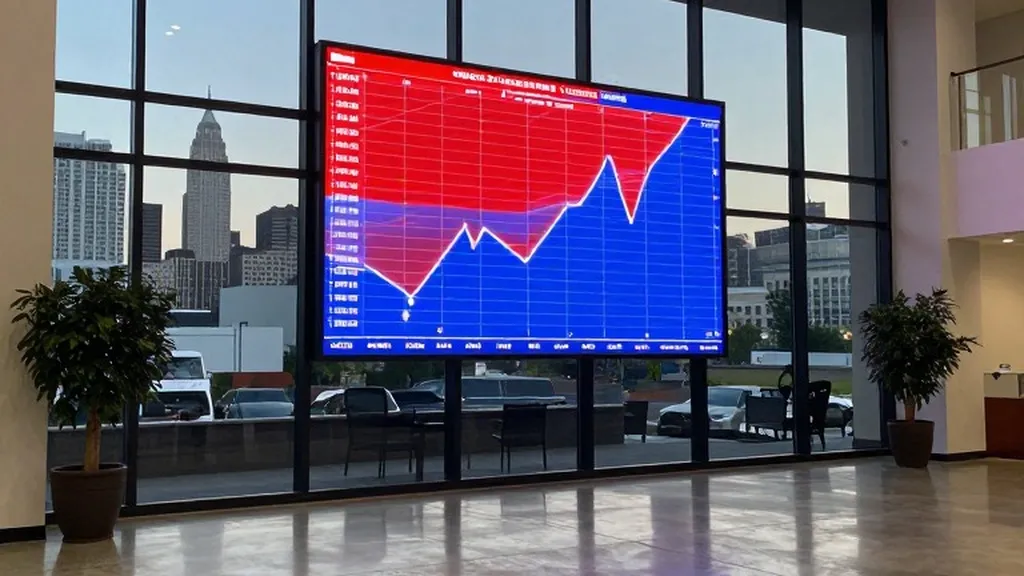
A detailed look at the data reveals a distinct pattern in how funds are being deployed. Republican committees have outraised and outspent their Democratic counterparts at the committee level. This advantage is partly attributed to the influence of Trump-affiliated groups and significant contributions from Elon Musk. These sources have provided a substantial financial boost to the Republican side of the ledger.
However, the picture changes when looking at individual candidates. At the candidate level, Democrats have outraised their opponents. This suggests that while the party machines on the Republican side are spending heavily, Democratic candidates are managing to gather more resources directly. This discrepancy underscores the different strategies employed by the two parties in this pivotal election cycle.
The geographic focus of the spending is equally telling. Analysis of AdImpact data shows that 88.1 percent of Republican general election television ad spending went to states and districts that Donald Trump won in 2024. This indicates a strong strategy to consolidate support in areas where the president already has a solid base of voters. The goal appears to be to ensure that these Republican strongholds remain secure.
A significant portion of that spending, more than 850 million dollars, was directed at districts where Trump won by 10 points or more. This massive investment in safe seats may seem counterintuitive to some observers, but it aligns with a strategy of maximizing turnout in friendly areas. By saturating these markets with advertising, Republican committees aim to drive high voter participation among their base.
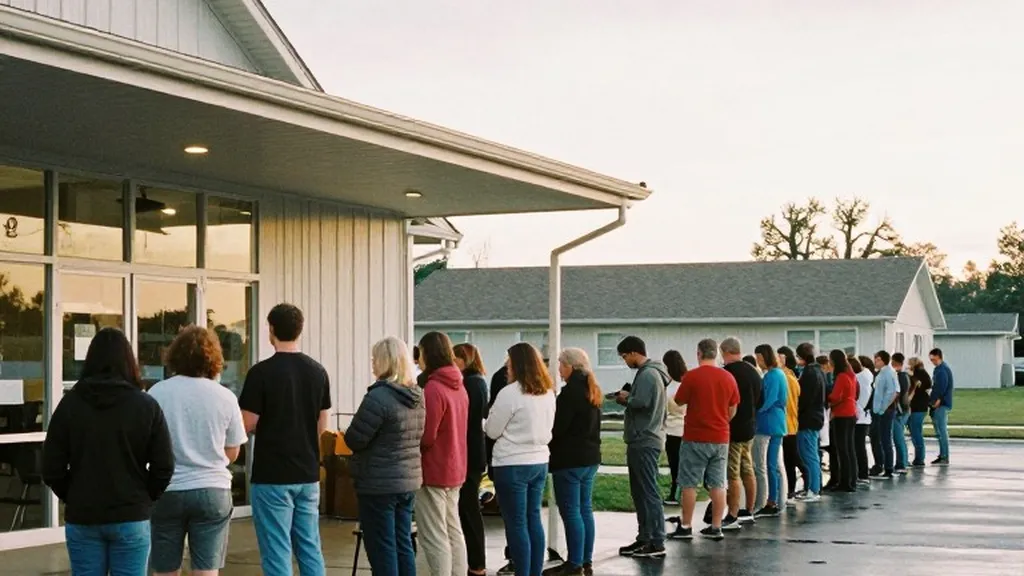
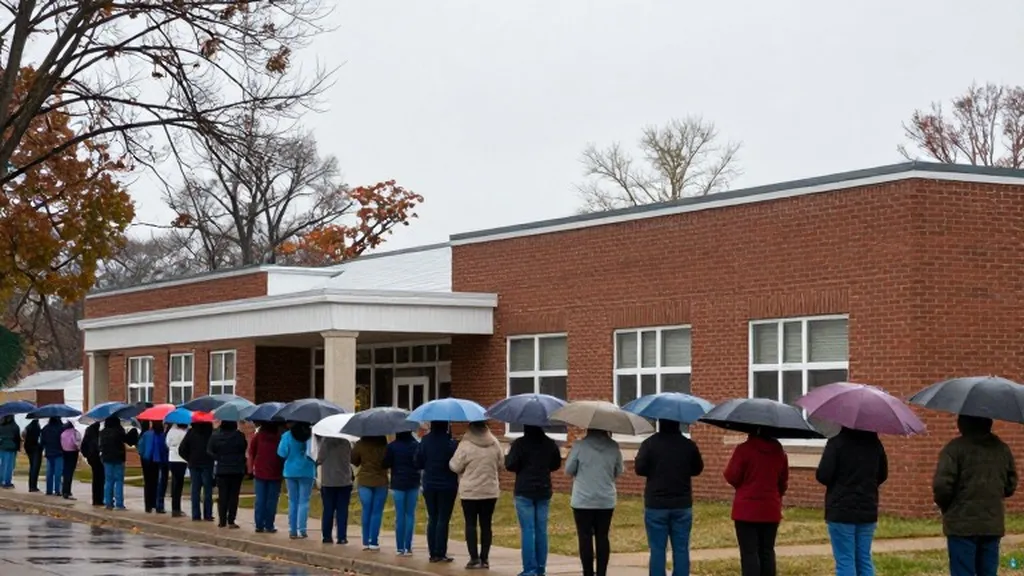
In the Great Lakes region, the financial dynamics are playing out against a backdrop of critical Senate and gubernatorial races. In Michigan, polls are open from 7 a.m. to 8 p.m. for an open Senate seat and a governor's race. The state voted for Trump by a margin of 1.4 points in 2024, making it a closely watched battleground. The competition for funds here is fierce, with both parties vying for attention in a state that could tip the balance of power.
Ohio also sees significant activity, with polls open from 6:30 a.m. to 7:30 p.m. for a special Senate election and a governor's race. The special Senate seat was originally held by JD Vance, who is now Vice President. The state voted for Trump by 11.2 points in 2024. The high spending in this area reflects the importance of maintaining Republican control in a state that has traditionally leaned Republican in recent years.
Kentucky and West Virginia round out the regional focus, with polls open from 6 a.m. to 6 p.m. and 6:30 a.m. to 7:30 p.m., respectively. Both states have open or incumbent Senate races that are part of the broader national contest. Kentucky voted for Trump by 13.2 points in 2024, while West Virginia is defending an incumbent. The financial investment in these states is part of a broader Republican effort to hold the Senate majority.
The Associated Press notes that voters are struggling with high prices and are angry over an unpopular war with Iran. These issues are central to the campaign messaging that drives the spending. The money being spent is intended to address these concerns and rally the base. The high cost of this election is a direct reflection of the urgency felt by both parties to shape the narrative around these key economic and foreign policy issues.
As voters head to the polls, the outcome will depend on how effectively this money translates into votes. The Republican edge in committee spending aims to lock in safe seats and drive turnout in key states. The Democratic candidate-level fundraising advantage suggests a focus on competitive races where individual candidates can make a difference. The final result will hinge on the ability of each side to convert their financial resources into a decisive victory at the ballot box.