Ten Critical Senate Races Decide Control of the Upper Chamber
Voters in key states including Ohio, Michigan, and Georgia are deciding the fate of the Senate in a fiercely contested midterm.
By Chloe Martin ·
Voters across the United States are heading to the polls on Tuesday to decide which party will control the Senate for the final two years of President Donald Trump's term. According to Ballotpedia, thirty-five seats are on the ballot, including thirty-three regular elections and two special elections. Republicans currently hold fifty-three seats, while Democrats hold forty-five, plus two independents who caucus with the Democrats. The Associated Press notes that Democrats need a net gain of four seats to achieve a majority, whereas Republicans can afford to lose only two seats to maintain their current advantage.
The Associated Press identifies ten specific matchups that are central to the fight for Senate control. In North Carolina, Democratic former Governor Roy Cooper faces former Republican National Committee chair Michael Whatley for the seat vacated by retiring Senator Thom Tillis. In Georgia, incumbent Democratic Senator Jon Ossoff is challenged by Republican Representative Mike Collins. These races are significant because they occur in states that voted for President Trump in 2024, making them critical targets for both parties.
In the Midwest, the open seat in Michigan is a key battleground. Republican former Representative Mike Rogers is running against Democrat Abdul El-Sayed. On Sunday, El-Sayed's former primary opponent, Haley Stevens, endorsed Rogers, adding another layer of complexity to the race. In Ohio, Democratic former Senator Sherrod Brown is facing Republican Senator Jon Husted in a special election for the rest of the term that JD Vance was elected to in 2022. Ohio polls are open from 6:30 a.m. to 7:30 p.m., according to Ballotpedia.
Texas presents a high-profile contest between Republican Attorney General Ken Paxton and Democrat James Talarico. President Trump backed Paxton over incumbent Senator John Cornyn in the primary, signaling strong support for the challenger. The Associated Press notes that the state has a new congressional map, which may influence voter dynamics. In Minnesota, the open seat left by retiring Senator Tina Smith has attracted a field of four candidates, including Democratic Lieutenant Governor Peggy Flanagan and Republican Michele Tafoya, a former sports broadcaster.
Maine and New Hampshire are also pivotal. In Maine, Republican Senator Susan Collins is facing Democratic former State Senate President Troy Jackson. The Associated Press reports that economic strain and tariffs have made the state competitive, with race ratings from major polling organizations describing the contest as a toss-up. In New Hampshire, Democratic Representative Chris Pappas is challenging former Republican Senator John E. Sununu for the seat vacated by retiring Senator Jeanne Shaheen. These northeastern races are crucial for Democrats, who are looking to expand their footprint in states that have leaned toward the other party in recent presidential elections.
Kansas and Alaska complete the list of named matchups that the Associated Press highlights. In Kansas, a reliably Republican state, the race has become central to the fight for Senate control. Republican Senator Roger Marshall is defending his seat, though some analysts describe the race as a toss-up or lean Republican. In Alaska, Republican Senator Dan Sullivan is defending his seat, but the Trump administration has filed a lawsuit related to the certification of the Senate result, adding legal uncertainty to the process. The Associated Press notes that the state voted for Trump by 13.1 points in 2024.
The Associated Press describes this election as a referendum on President Trump's second term, with voters struggling with high prices and expressing anger over an unpopular war with Iran. An AP-NORC poll indicates that 35 percent of U.S. adults approve of Trump's job performance, while 25 percent approve of his handling of the economy. About seven in ten Americans say the country is heading in the wrong direction, with most blaming the president for high prices. This economic anxiety is a driving force behind the turnout in states like North Carolina, where one voter noted they are paying more for healthcare and taxes.
Turnout is a critical factor in these races. Republican National Committee Chairman Joe Gruters stated that everything depends on turnout, asserting that if Republicans turn out their voters, they will win. Conversely, Democratic Congressional Campaign Committee Chair Representative Suzan DelBene said the American people are angry and want change. More than 57 million people had already voted as of Monday, surpassing the early vote totals from four years ago in many closely watched states. This high level of early voting suggests a deeply engaged electorate in the ten key Senate races.
The administration's efforts to influence the election have drawn attention. President Trump continued to make claims about voting fraud, including that noncitizens vote in large numbers. His administration sued in Alaska and California, and Democrats have expressed fears of interference and intimidation as the Justice Department threatens to prosecute local election officials. A federal judge temporarily barred the administration from carrying out a plan to prevent noncitizen voting, which critics say risks disenfranchising eligible voters. These legal battles underscore the stakes involved in the Senate races, where every vote may count in determining the chamber's majority.
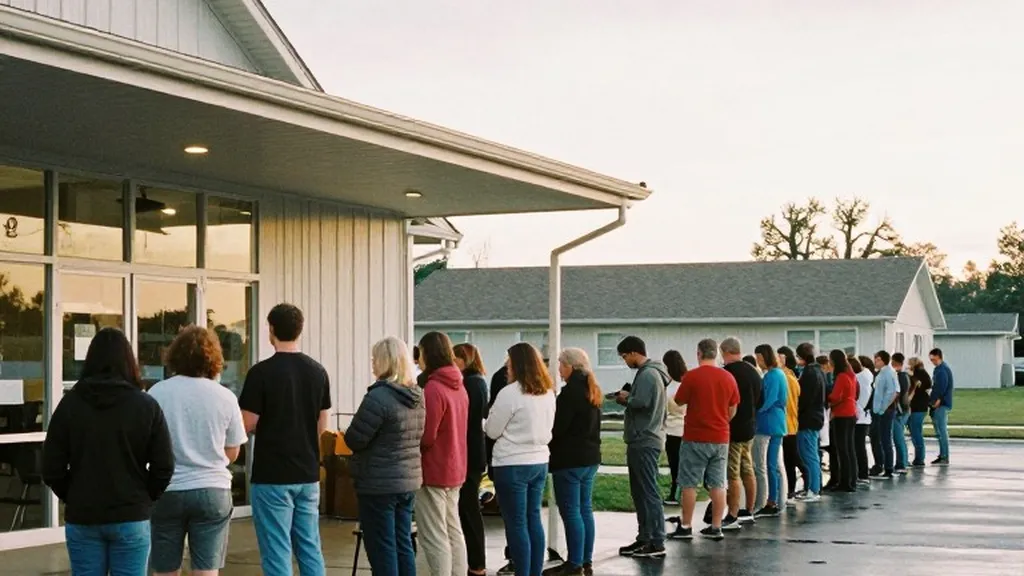
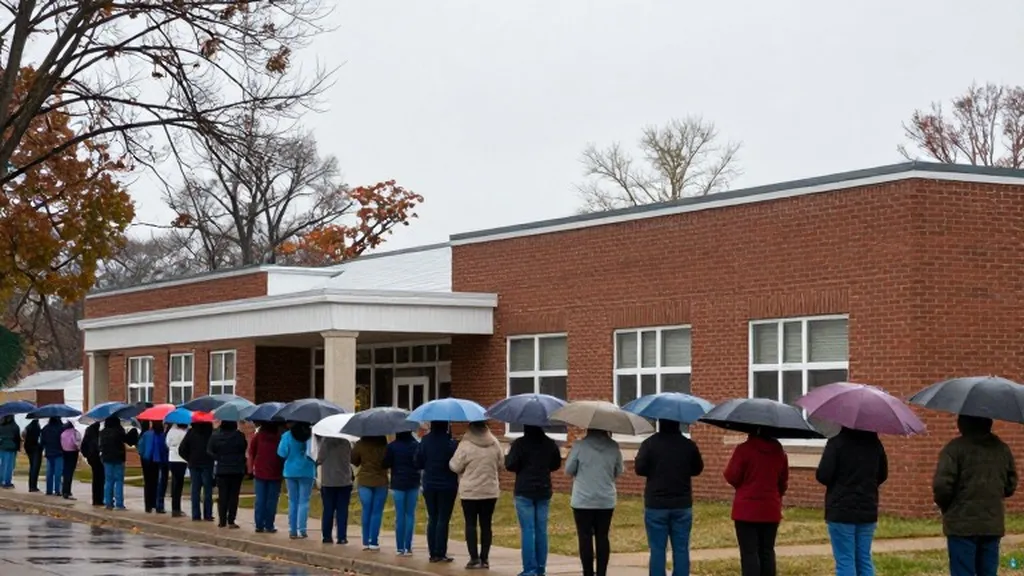
As polls open across the Great Lakes and Ohio Valley regions, voters are making their choices in a tightly contested environment. In Michigan, polls are open from 7 a.m. to 8 p.m., while in Ohio, they are open from 6:30 a.m. to 7:30 p.m. The results of these ten named Senate matchups will determine whether Democrats can achieve the net gain of four seats needed for a majority or if Republicans can hold onto their slim advantage. The Associated Press notes that one or two seats could tip the balance of power in the Senate, making these specific races the focal point of the national election.