Great Lakes voters line up as 57 million cast ballots early
In Ohio, Michigan, Kentucky, and West Virginia, the fight for Congress hinges on high turnout and economic anxiety.
By Pablo Kuznetsov ·
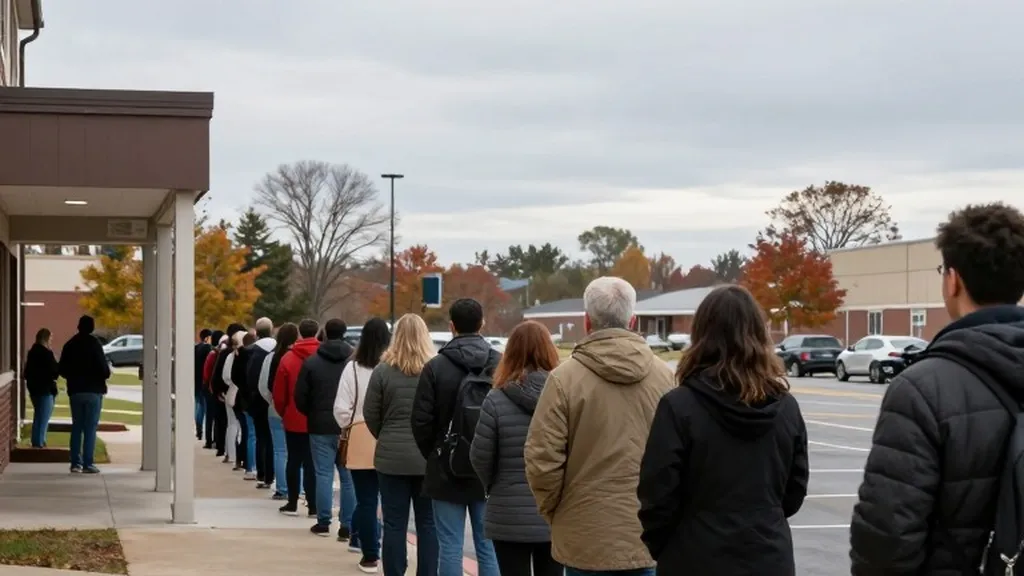
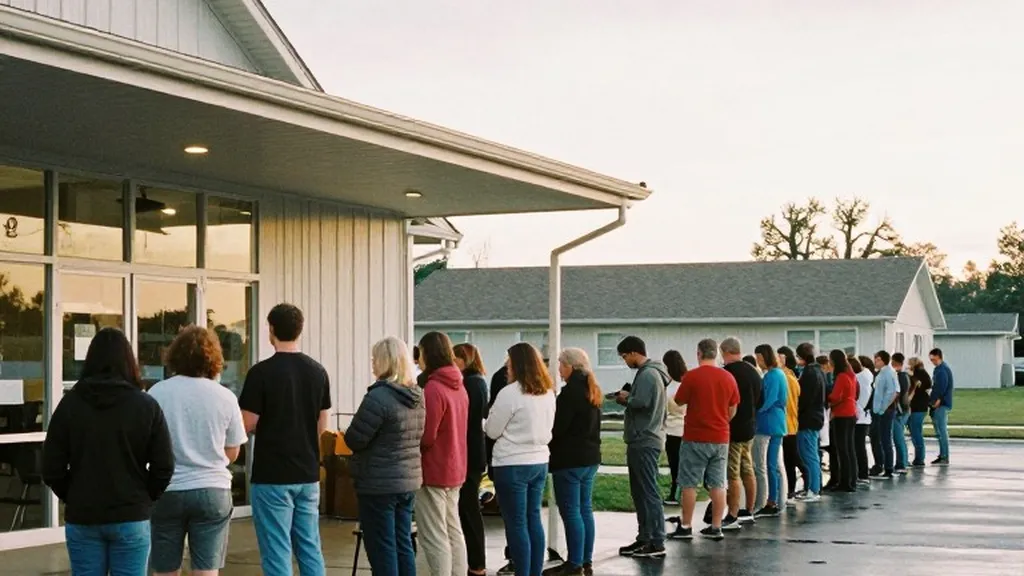
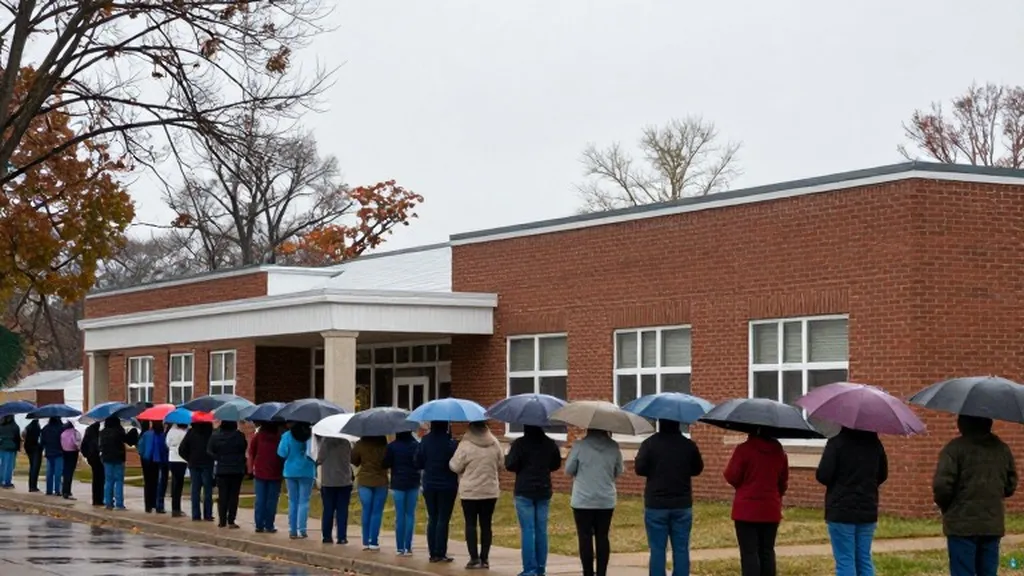
As polls open across the Great Lakes region on Tuesday, November 3, 2026, more than 57 million Americans have already cast their ballots. This massive early turnout surpasses the numbers from four years ago in many closely watched states. The Associated Press describes the election as a referendum on President Donald Trump's second term. Voters in Ohio, Michigan, Kentucky, and West Virginia are deciding who will control Congress for the final two years of the president's term.
In Ohio, polls are open from 6:30 a.m. to 7:30 p.m. local time. There is no Senate race for a full term, but voters will choose a new governor in an open seat. The state also hosts a special Senate election to fill the rest of the term held by JD Vance. In the governor's race, Republican Vivek Ramaswamy faces Democrat Amy Acton. Ramaswamy's campaign recently faced criticism over an advertisement featuring Acton's estranged mother. The Associated Press notes that economic strain and high prices are central to the debate in this key Midwestern state.
Michigan voters will go to the polls from 7 a.m. to 8 p.m. The state has two major races, an open Senate seat and an open governor's seat. In the Senate contest, Republican former Rep. Mike Rogers is running against Democrat Abdul El-Sayed. The race has become a focal point for both parties. On Sunday, Haley Stevens, El-Sayed's former primary opponent, endorsed Rogers. The Associated Press notes that the state's competitiveness is driven by concerns over the cost of living and the impact of tariffs on local industries.
In Kentucky, polls are open from 6 a.m. to 6 p.m. The state is holding an open Senate election as former Sen. Mitch McConnell's successor is sought. While there is no governor's race this year, the Senate seat is considered a pivotal battleground for national control. Republicans are bracing for the possibility of losing the House while fighting to hold the Senate. The Associated Press reports that one or two seats could tip the balance of power in either chamber, making every vote in this region critical.
West Virginia voters will cast their ballots from 6:30 a.m. to 7:30 p.m. The state is deciding the fate of incumbent Senate Majority Leader Shelley Moore Capito's seat. There is no governor's race in West Virginia this cycle. The state's political landscape is heavily influenced by national trends, with many Republican candidates keeping a measured distance from the president's recent rallies. Trump held dozens of rallies leading up to the election, ending his tour in Salina, Kansas, where he asked supporters to pretend he was on the ballot.
The ground game in these states reflects the high stakes of the midterm election. Republicans hold 218 House seats and need to lose no more than two to keep the majority. Democrats currently hold 214 seats and need a net gain of three to take control. In the Senate, Republicans hold 53 seats and can afford to lose only two. Democrats need a net gain of four seats. The Associated Press notes that Democrats are cautiously optimistic about their chances, particularly in states where the president's approval rating has dipped.
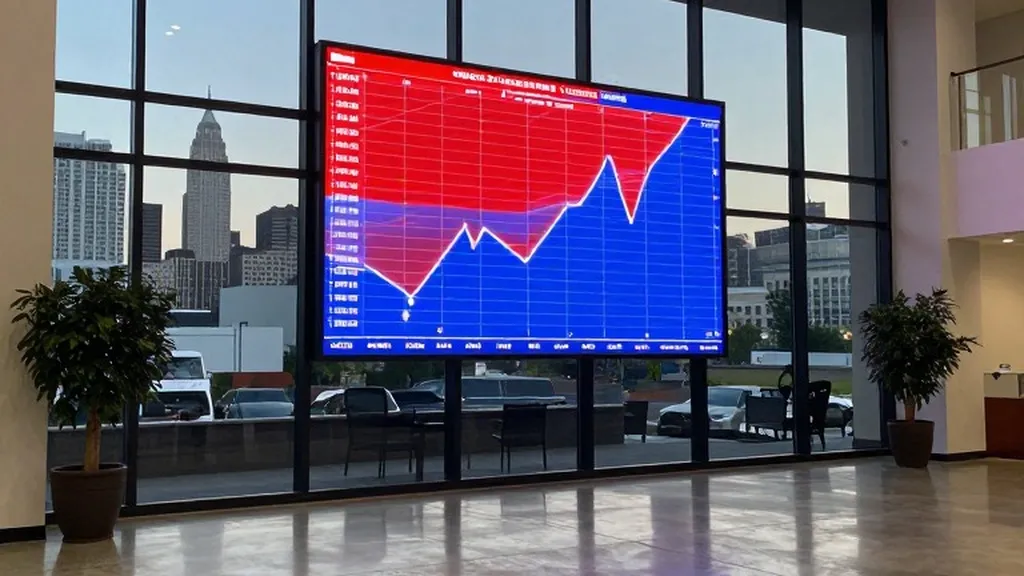
Polling data adds context to the turnout numbers. The AP-NORC poll finds that 35% of U.S. adults approve of Trump's job performance. Only 25% approve of his handling of the economy. About seven in ten Americans say the country is heading in the wrong direction. Most respondents blame the president for high prices. This economic anxiety is a primary driver for voters in the Great Lakes region, where cost of living is a dominant concern.
RNC Chairman Joe Gruters emphasized the importance of voter participation on Election Day. He stated that everything depends on turnout and that if the party turns out its voters, they will win. That is what the organization has been planning for. In contrast, DCCC Chair Rep. Suzan DelBene said the American people are angry and want change. These quotes highlight the divergent strategies of the two parties as they compete for the loyalty of undecided voters in swing states.
Voters in the region are expressing their feelings through their ballots. Mark Barker of Palm Beach Gardens, Florida, said he has been following Trump the whole time and thinks he is doing an awesome job. James Moore, a 57-year-old librarian in Raleigh, North Carolina, noted that he is paying more taxes and more for healthcare. These personal accounts reflect the broader national mood of economic tension. The U.S. Postal Service has added hours and staff to ensure mail ballots are counted on time, a crucial step in the administration of this high-turnout election.
The election is also a test of the administration's legal challenges to voting rules. A federal judge temporarily barred the Trump administration from carrying out a plan to prevent noncitizen voting. Critics argue this move risks disenfranchising eligible voters. In California, a judge ordered the administration to stop demanding that election officials segregate ballots cast by people on lists of suspected noncitizens. These legal maneuvers have raised concerns about the integrity of the process in several states, including those in the Great Lakes region.
As polls close in the evening, the focus will shift to the counting of ballots. The results will determine the balance of power in Congress for the next two years. Democrats hope to hold a majority of governorships for the first time in two decades. Republicans are trying to beat the historical midterm pattern where a president's party almost always loses seats. The new congressional maps in states like Ohio may also play a role in the final tally. The election is not just about who wins, but about the direction of the country for the remainder of the second Trump term.