Byron Donalds wins Florida governorship over David Jolly
The former congressman secured the victory with President Trump's endorsement and a focus on conservative fiscal policies.
By Chloe Martin ·
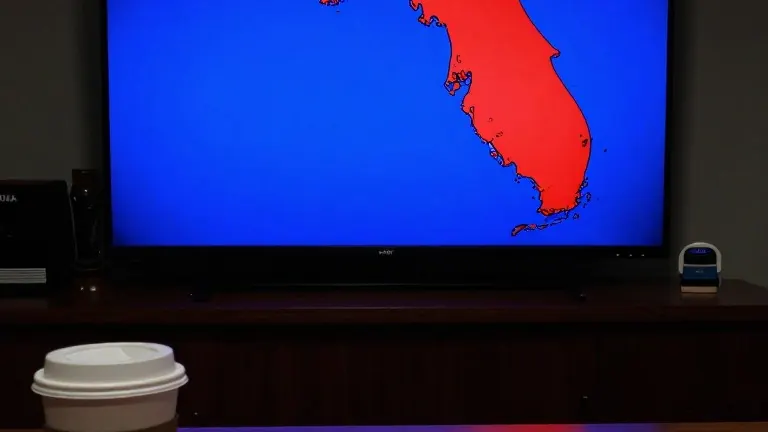
The Associated Press called Florida's governor's race to Republican Byron Donalds, marking a decisive shift in the state's leadership.
Donalds defeated Democrat David Jolly in a contest that many polls had projected as tight. The state maintains a registration advantage for Republicans, with approximately 1.5 million more registered members than Democrats. Additionally, 3.3 million unaffiliated voters represented the primary undecided bloc in this election.
Donalds, 48, enters office as Florida's first Black governor. His political career spans two terms in the U.S. House of Representatives and two terms in the Florida House. He began his career in the finance industry and switched from the Democratic Party to the Republican Party in 2010. President Donald Trump, an early supporter of Donalds in the 2024 presidential cycle, provided his backing for this gubernatorial campaign. The two held a joint rally a few days before election day.
Jolly, 54, ran as a Democrat after switching parties in 2025. He previously served in Congress as a Republican and left the party in 2018. His professional background includes work as a lawyer, a lobbyist, and a television political analyst. His campaign slogan was 'believe in better.'
Both candidates prioritized affordability, specifically citing inflation, housing costs, and insurance premiums. Donalds pledged to extend the conservative policy platform of outgoing Governor Ron DeSantis. DeSantis, who retains high approval ratings in the state, campaigned alongside Donalds. Jolly focused his message on the same economic factors while also targeting the expansion of artificial intelligence data centers. He frequently referred to Donalds as 'data center Donalds' due to campaign contributions from the sector.
Donalds introduced legislation this summer that would mandate data centers to generate their own power and water supplies. Earlier this year, polls indicated that Trump was less popular in Florida than DeSantis. In response, Donalds removed prominent references to Trump from his campaign website in September. Trump's national approval ratings had dipped due to public concern over gas prices and the conflict with Iran.
The result positions Donalds to lead a state with a large independent voter base while maintaining the Republican legislative and executive alignment established during the DeSantis administration.
Source: WCBE